Australian Permanent Residency for Canadians: Your Options After the Working Holiday Visa
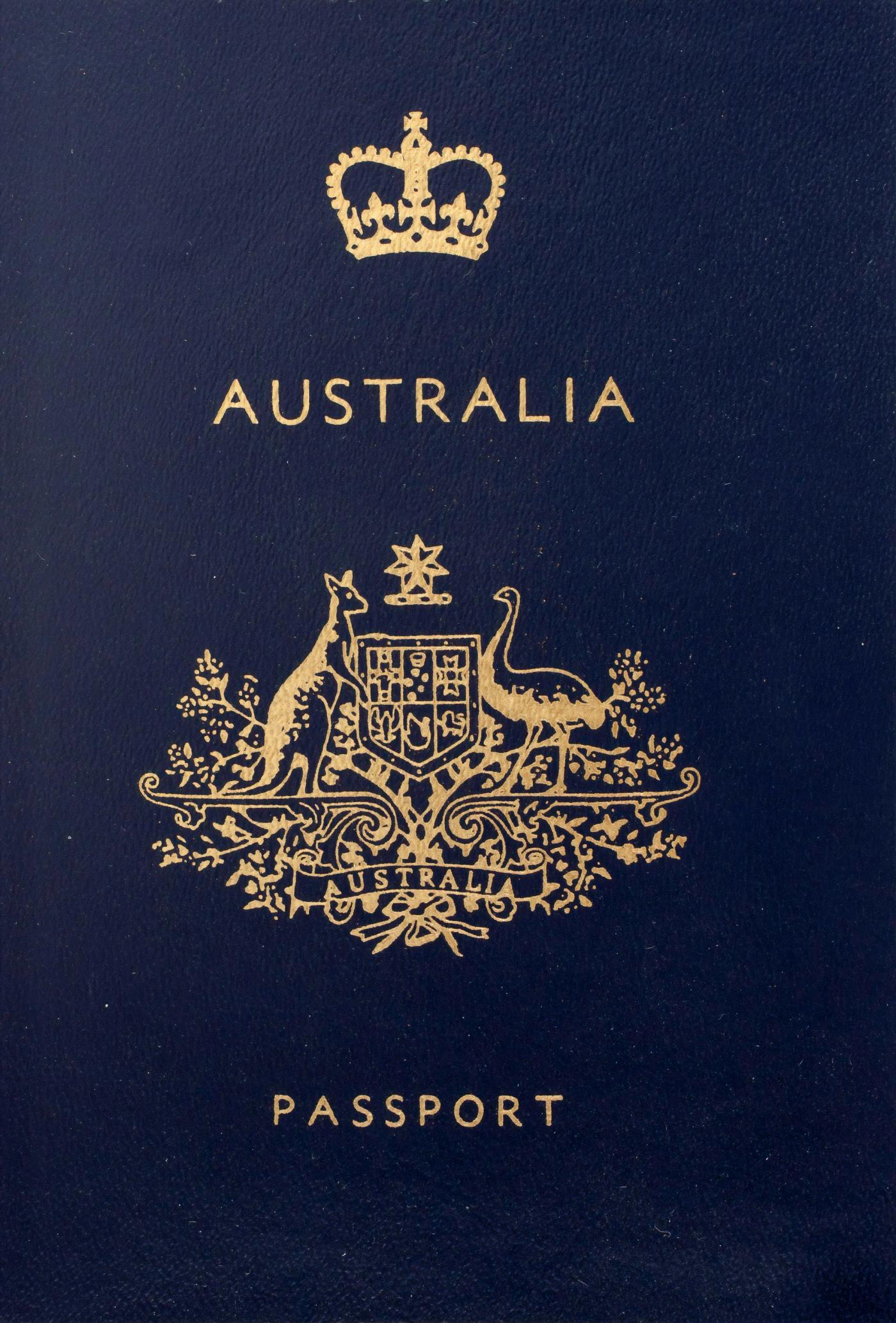
You came for a Working Holiday. You stayed for the coffee, the weather, or the person you met on the beach. Now you want to make it permanent. The good news is that Australia has clear pathways for Canadians who want to stay beyond the WHV. The less good news is that none of them are quick or cheap. Here is what your options actually look like.
First: what the Working Holiday Visa cannot do
The WHV (subclass 417) cannot be converted into a permanent visa. It has no pathway to permanent residency built in. When your final WHV expires, your only options are to leave, or to have already applied for a different visa that allows you to stay. This is why planning ahead matters - you cannot apply for most substantive visas after your WHV expires while you are still in Australia.
Pathway 1: Employer Sponsorship (Subclass 482 Skills in Demand Visa)
The Skills in Demand visa (formerly the Temporary Skill Shortage visa) is the most common pathway for Canadians who have found professional or trade work in Australia and have an employer willing to sponsor them. It is not an easy ask - sponsoring a foreign worker costs the employer time, money, and commitment - but it is the most common path to staying for Canadians in skilled employment.
What it covers
- Grants up to 4 years of work rights with the sponsoring employer (Core Skills or Specialist Skills stream)
- Your occupation must be on the relevant skilled occupation list
- Visa holders can transition to permanent residency (subclass 186, Temporary Residence Transition stream) after 2 years with the same sponsoring employer
- Your employer must be an approved sponsor and demonstrate they have made genuine efforts to recruit Australians first
The conversation to have with your employer
Most employers who consider sponsoring a worker are ones where the worker has already proven their value. The sponsorship conversation is most effective when you have been in the role for 6-12 months, are clearly performing well, and the employer faces the prospect of losing you when your WHV expires. Frame it as a business problem - your departure costs them - rather than a favour you are asking.
Pathway 2: Skilled Independent Visa (Subclass 189)
The subclass 189 is Australia's equivalent of Canada's Express Entry - a points-based permanent residency visa requiring no employer sponsorship or state nomination. You submit an Expression of Interest (EOI) through SkillSelect, get assigned a points score, and receive an invitation to apply if your score is high enough when a draw runs.
Age (maximum points 25-32)
Up to 30 pts
Decreases with age
English (Superior/Competent)
Up to 20 pts
IELTS or equivalent
Skilled work experience
Up to 20 pts
Australian or overseas
Education qualifications
Up to 20 pts
Degree level and above
Australian study requirement
5 pts
2+ years study in regional areas
Partner skills
10 pts
If partner meets criteria
Pathway 3: Skilled Nominated Visa (Subclass 190)
The 190 works like the 189 but with a state or territory nominating you. In exchange for the nomination - which adds 5 points to your score - you commit to living and working in that state for at least 2 years after receiving PR. States open and close their occupation lists throughout the year based on their labour needs.
For Canadians who have been living in a particular state during their WHV and have settled there, the 190 is a natural choice if your state has your occupation on their list. It gives you 5 extra points on your score and fast-tracks your pathway to PR.
Pathway 4: Regional Skilled Visas (Subclass 491 and 191)
The 491 is a temporary visa (5 years) that requires you to live and work in a designated regional area. After 3 years of living and working regionally, you can apply for the subclass 191 permanent residency visa. The trade-off for the lower points threshold is the regional living commitment.
What counts as regional? Most of Australia outside of Sydney, Melbourne, and Brisbane is classified as regional for visa purposes. This includes cities like Perth, Adelaide, Hobart, Darwin, Canberra, Gold Coast, Sunshine Coast, and hundreds of smaller cities and towns. The definition is broader than most people assume.
Pathway 5: Partner Visa (Subclass 820/801)
If you are in a genuine de facto or married relationship with an Australian citizen or permanent resident, the partner visa pathway leads directly to permanent residency. The application requires substantial evidence of your relationship - joint finances, shared accommodation records, statutory declarations from people who know you as a couple, and more.
The partner visa process is thorough and takes time. The temporary partner visa (820) is granted first, followed by the permanent partner visa (801) after approximately 2 years. During this period you have full work rights in Australia. Processing times have been long in recent years - budget 18-24 months from application to the temporary grant.
Getting a skills assessment
For skills-based visa pathways (189, 190, 491, 482), your occupation needs to be assessed by the relevant Australian assessing authority for that occupation. This confirms that your Canadian qualifications and experience are equivalent to the Australian standard.
The assessing body depends on your occupation - Engineers Australia for engineers, VETASSESS for many professional occupations, the Australian Computer Society for IT roles, and so on. Processing times for skills assessments vary from a few weeks to several months. Start this process early - you cannot lodge an EOI or most skilled visa applications without a positive skills assessment.
Should you use a migration agent?
Australian migration law is complex and changes frequently. A Registered Migration Agent (MARA registered) can assess your visa options, prepare your application, and represent you if issues arise. They are worth the cost for anything other than a completely straightforward application.
If your situation is straightforward - for example, you have a positive skills assessment, a clear score, and an uncomplicated employment history - many Canadians complete skilled visa applications without an agent. If you have complexity - gaps in employment, multiple visa applications, relationship visa, or any prior refusals - get professional advice.
The bottom line
The most common pathways for Canadians staying in Australia permanently are employer sponsorship (if you are in professional or trade work), the subclass 189 or 190 skills-based visas, and the partner visa. None of them are instant - plan ahead, start your skills assessment early, and do not let your WHV expire without a plan in place. A Bridging Visa will cover you while you wait, but only if you apply before your current visa expires.
Visa paperwork is only the start of a move like this. The Ultimate Relocation Guide is a paid, step-by-step guide (from AUD $59) covering what comes next: banking, housing, healthcare and your first 90 days.
Related Reading
Moving from Canada to Australia: The Complete Guide for Canadians
Tax File Number and Tax in Australia: A Canadian's Guide
Job Hunting in Australia as a Canadian: How the Market Works
Superannuation When Leaving Australia: A Complete Guide for Canadians