Building Credit in Canada as an Australian Newcomer
One of the more frustrating surprises of moving from Australia to Canada is discovering that your credit history simply doesn’t exist here. It doesn’t matter if you had a perfect credit score in Australia, owned a home, or held cards for twenty years. In Canada, you are starting from zero.
This matters more than you might think. Your credit score affects your ability to rent an apartment, get a mobile phone plan, finance a car, and eventually get a mortgage. Building it quickly is one of the most practically important things you can do in your first year.
Why your Australian credit history doesn’t transfer
Credit reporting is a national system. Australia uses Equifax, Experian, and illion. Canada uses Equifax Canada and TransUnion Canada. These are entirely separate databases. There is no international credit sharing agreement between Australia and Canada, so your Australian history is invisible to Canadian lenders.
What a credit score affects in Canada
Before getting into how to build one, it’s worth understanding what’s at stake:
- Renting an apartment. Most landlords run a credit check. A thin or absent credit file can cost you a rental, or push you toward landlords who don’t check - who are often less desirable for other reasons
- Mobile phone plans. Postpaid plans typically require a credit check. No credit can mean being stuck on prepaid
- Car financing. Interest rates vary significantly based on credit score
- Mortgage. You need a minimum credit score (typically 680+) and at least two years of Canadian credit history for most lenders
- Some employers. Certain roles, particularly in finance or with security clearances, involve credit checks
How Canadian credit scoring works
Canadian credit scores range from 300 to 900. The main scoring model used is:
- 800-900: Excellent
- 720-799: Very good
- 650-719: Good
- 600-649: Fair
- 300-599: Poor
The score is calculated based on payment history (35%), credit utilisation (30%), length of credit history (15%), new credit inquiries (10%), and credit mix (10%).
Step one: Get a secured credit card
A secured credit card is the standard starting point for newcomers. You deposit a sum of money (typically CAD $200-$500) as collateral, and that becomes your credit limit. You use the card normally, pay it off monthly, and the activity is reported to the credit bureaus.
After six to twelve months of on-time payments, you’ll have a credit history and can typically upgrade to an unsecured card and get your deposit back.
Good secured card options for newcomers:
Scotiabank Startright Program. Specifically designed for newcomers, this offers a Visa card without a Canadian credit history requirement. One of the most straightforward options available.
RBC Newcomer Advantage. RBC has explicit newcomer programs including credit cards available without Canadian history.
TD New to Canada Banking Package. TD offers credit cards as part of their newcomer package.
Home Trust Secured Visa. A solid standalone secured card if you’re not going with a big bank package.
Step two: Get a credit card from your bank early
When you open your Canadian bank account, ask directly about a credit card for newcomers. The major banks - RBC, TD, Scotiabank, BMO, and CIBC - all have newcomer banking programs and are often more willing to extend credit to new customers who have their primary banking with them.
Bring documentation of your employment, your Australian credit history (a letter from your Australian bank or credit bureau report), and your income. None of this is required, but it demonstrates you’re a good prospect.
Step three: Use the card correctly
Having a card is only half the battle. How you use it determines your score:
- Pay the full balance every month. Never miss a payment - this is the most important factor
- Keep utilisation below 30%. If your limit is $500, keep your balance below $150
- Don’t apply for multiple cards at once. Each application creates a hard inquiry that temporarily lowers your score. Space applications at least six months apart
- Don’t close cards you’re not using. Length of history matters - keep old accounts open even if unused
Step four: Consider a credit-builder loan
Some credit unions and online lenders offer credit-builder loans specifically to establish credit history. You make monthly payments into a savings account, and the payment history is reported to the credit bureaus. At the end of the term you receive the accumulated savings. It’s essentially a forced savings product that also builds credit.
How long does it take?
With consistent on-time payments and low utilisation:
3–6 months
Score appears
Need one account open ~6 months
12 months
Fair–good
With on-time payments, low usage
24 months
Mortgage-ready
Most lenders want 2 yrs history
Checking your score
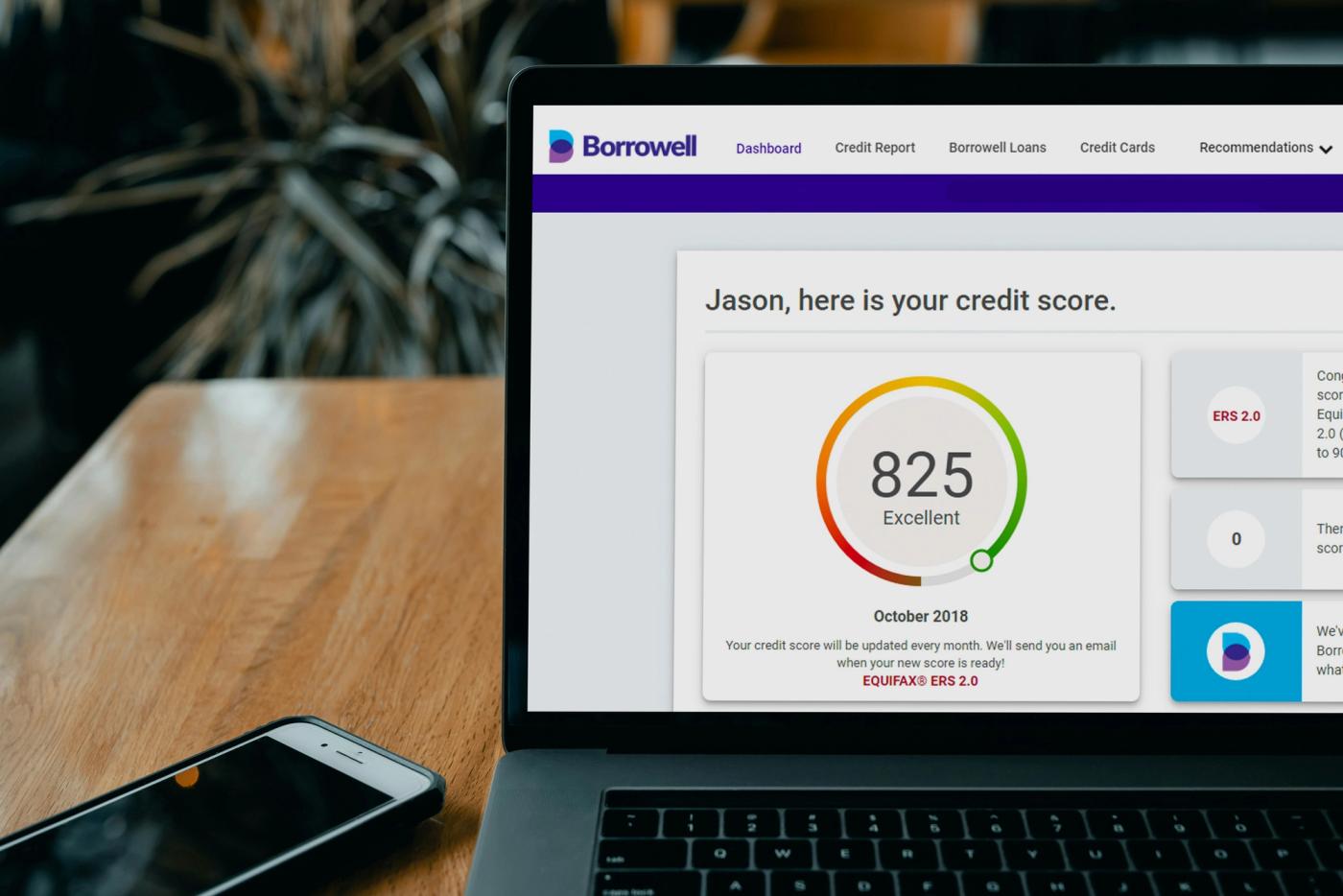
Both Equifax Canada and TransUnion Canada offer free credit score monitoring. You can also check your score for free through services like Borrowell (Equifax) or Credit Karma Canada (TransUnion). Check your report every few months to make sure everything is accurate and to track your progress.
Getting your Canadian finances off the ground?
Our free relocation checklist covers banking, credit, tax and the rest of your money setup — in the right order.
The bottom line
Start building Canadian credit the week you arrive. Open a bank account, apply for a newcomer credit card or secured card, use it for everyday spending, and pay it off in full every month. Do this consistently for twelve months and you’ll have a solid foundation. Do it for two years and you’ll be mortgage-ready.
Move Between helps Australians and Canadians navigate international relocation. Browse our guides, checklists, and visa resources to plan your move with confidence.
Sorting out the money side of the move is just one piece of it. If you'd like the whole thing planned out, visas, housing, healthcare and your first 90 days, Ultimate Relocation Guide is a paid, step-by-step guide (from AUD $59) that covers it end to end.
Related Reading
Moving from Australia to Canada: The Complete 2026 Guide
How to Open a Canadian Bank Account Before You Leave Australia
Tax in Canada: What Australians Need to Know in Their First Year
Finding a Rental in Canada as a New Arrival: What to Expect
Credit history is one part of settling in financially. For a full city-by-city look at what things actually cost, see our Australia vs Canada cost of living comparison.