Healthcare in Canada: What Australians Need to Know Before They Arrive
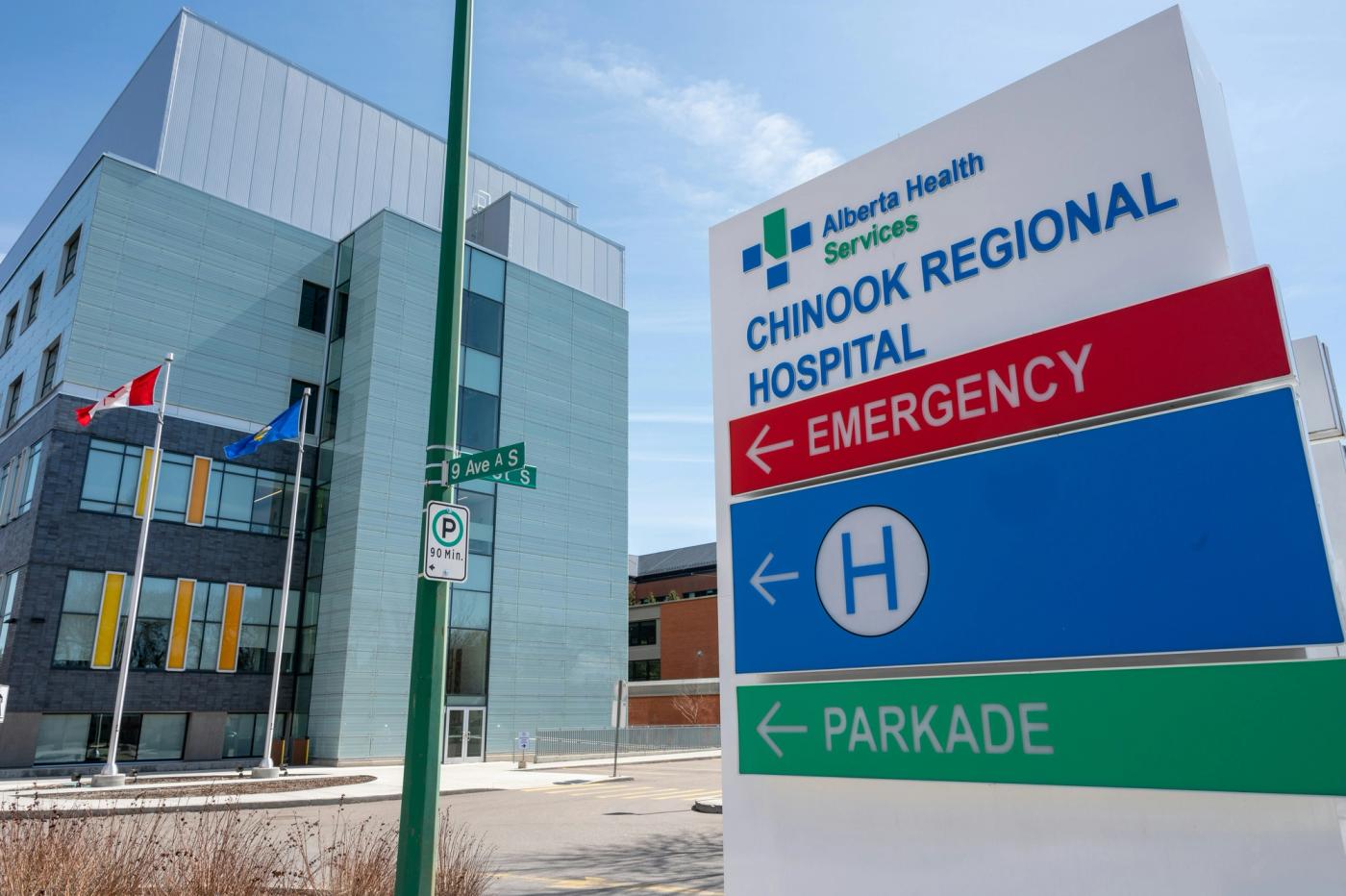
If you’re moving from Australia to Canada, one of your first questions is probably: what happens to my healthcare?
The short answer is that Canada has a publicly funded healthcare system that covers most essential medical services. The longer answer is that it’s run by the provinces, not the federal government, it doesn’t kick in immediately, and there are some significant gaps that Australians are used to having covered by Medicare.
Here’s what you need to know before you land.
How Canadian healthcare works
Canada’s healthcare system is governed by the Canada Health Act, but each province administers its own insurance plan. In Ontario it’s called OHIP (Ontario Health Insurance Plan). In BC it’s called BCMSP (Medical Services Plan). In Alberta it’s AHCIP. The name and some specifics differ, but the core coverage is similar across provinces: medically necessary hospital care, physician services, and diagnostic services are covered.
What this means in practice is that seeing a GP, getting bloodwork, going to emergency, or being admitted to hospital costs you nothing out of pocket - assuming you’re enrolled and your waiting period has passed.
The waiting period - this is the important part
Unlike Australia where Medicare is broadly available to eligible residents from day one, some Canadian provinces have a waiting period before you can access provincial health insurance. British Columbia and Quebec both still have a three-month wait, though most provinces — including Ontario, Alberta, Saskatchewan, and Manitoba — have eliminated the waiting period for eligible newcomers.
- Ontario (OHIP): No waiting period — coverage starts when you register as a resident (eliminated March 2020)
- British Columbia (MSP): 3-month waiting period
- Alberta (AHCIP): No waiting period - coverage begins on the date you become a resident
- Quebec: 3-month waiting period (exemptions apply only to citizens of Quebec's bilateral social security agreement countries, which does not include Australia)
- Manitoba, Saskatchewan: No waiting period for eligible newcomers
If you're moving to BC, that three-month gap matters. You will need private travel or health insurance to bridge it. Do not assume you can just walk into a clinic and be covered - you won't be.
How to apply for provincial health insurance
Each province has its own application process, but the basics are the same. You’ll need:
- Proof of identity (passport)
- Proof of eligibility to be in Canada (your visa or work permit)
- Proof of residency in the province (a lease, utility bill, or bank statement with your address)
Apply as soon as you arrive. Don’t wait until you need it. In most provinces you can apply online, and in some you can apply before you officially land.
What isn’t covered
This is where Australians get surprised. The following are generally NOT covered by provincial health insurance:
Dental check-up & clean
$200–400
Out of pocket — a filling adds $150–300
Ambulance ride (BC)
Up to $995
Billed to the patient in most provinces
Supplemental insurance
$80–200/mo
Covers dental, vision, scripts & ambulance
Dental care. This is the big one. Routine checkups, fillings, crowns, root canals, orthodontics - all out of pocket unless you have private insurance or an employer benefits package. A basic checkup and clean can cost CAD $200-$400. A filling adds another $150-$300.
Prescription medications. Unlike Australia’s Pharmaceutical Benefits Scheme (PBS), Canada has no national pharmacare scheme covering most residents. Some provinces have limited programs for specific groups (children, seniors, people on low incomes), but working-age adults generally pay out of pocket for scripts. This is improving - the federal government has been rolling out national pharmacare incrementally since 2024 - but for most newcomers, budget for full prescription costs initially.
Vision care. Eye exams and glasses are typically not covered for adults. Expect CAD $100-$200 for an eye exam, plus the cost of any glasses or contact lenses.
Ambulance services. This surprises many Australians. In most provinces, an ambulance ride is billed to the patient. In Ontario this can be $45-$240 depending on the situation. In BC it can be $80-$995. Private health insurance typically covers this.
Physiotherapy, chiropractic, and allied health. These services are almost entirely private in Canada. If you see a physio, you pay.
Private health insurance - do you need it?
Yes, in most cases. There are two scenarios:
Bridging the waiting period. If you’re in a province with a three-month wait, you need travel or temporary health insurance from the day you land until your provincial coverage kicks in. This typically costs CAD $100-$300/month depending on age and coverage level.
Covering the gaps. Once you have provincial coverage, supplemental private insurance covers dental, vision, prescriptions, and ambulance. Many employers provide this as part of a benefits package - it’s worth asking specifically about this when evaluating job offers. If you’re self-employed or your employer doesn’t offer benefits, expect to pay CAD $80-$200/month for a reasonable individual plan.
Finding a GP
This is one of the genuine challenges of the Canadian healthcare system. Family doctor (GP) shortages are significant in most provinces, and getting attached to a GP can take months or even years in some areas.
- 1
Join your province's patient-matching program
Register with services like Ontario's Health Care Connect or Health Match BC as soon as you arrive. Waitlists are long, so the earlier you're on them, the better.
- 2
Use walk-in clinics in the meantime
Walk-in clinics are widely available and can handle most routine care while you wait to be attached to a family doctor.
- 3
Keep telehealth apps on your phone
Services like Maple, Teladoc and Dialogue offer on-demand virtual GP appointments — handy for scripts and minor issues before you have a regular doctor.
- 4
Bring your records and referrals from Australia
If you see a specialist regularly, get a referral before you leave and bring your full medical records. Joining a specialist queue from scratch in Canada can take a long time.
Prescriptions - what to do before you leave Australia
If you’re on regular medication in Australia, ask your GP for a generous supply before you leave - typically up to three months. Bring the original packaging with pharmacy labels for customs purposes, and carry a letter from your Australian GP explaining what you take and why.
Some Australian medications have different brand names in Canada. Your Australian script won’t be accepted at a Canadian pharmacy - you’ll need to see a Canadian doctor to get a local prescription. Getting that appointment quickly is another reason to arrive with a buffer supply.
Planning your move to Canada?
Our free relocation checklist walks you through healthcare setup, banking, visas and your whole arrival week — step by step.
Emergency care
The bottom line
Canadian healthcare is good. Once you’re set up with provincial coverage, seeing a GP, getting bloodwork, going to emergency, or having a procedure costs you nothing directly. The system works.
The two things to plan for are the waiting period gap and the dental/vision/prescriptions gap. Sort out bridging insurance before you land, factor ongoing supplemental insurance into your budget, and apply for provincial coverage the day you arrive.
Move Between helps Australians and Canadians navigate international relocation. Browse our guides, checklists, and visa resources to plan your move with confidence.
Getting your head around a new healthcare system is just one job on the list. The Ultimate Relocation Guide is a paid, step-by-step guide (from AUD $59) covering visas, banking, housing and your first 90 days as well.
Related Reading
Moving from Australia to Canada: The Complete 2026 Guide
Tax in Canada: What Australians Need to Know in Their First Year
Medicare in Australia for Canadians: Why There's No Reciprocal Agreement