Moving Your Pet from Australia to Canada: What You Actually Need to Know
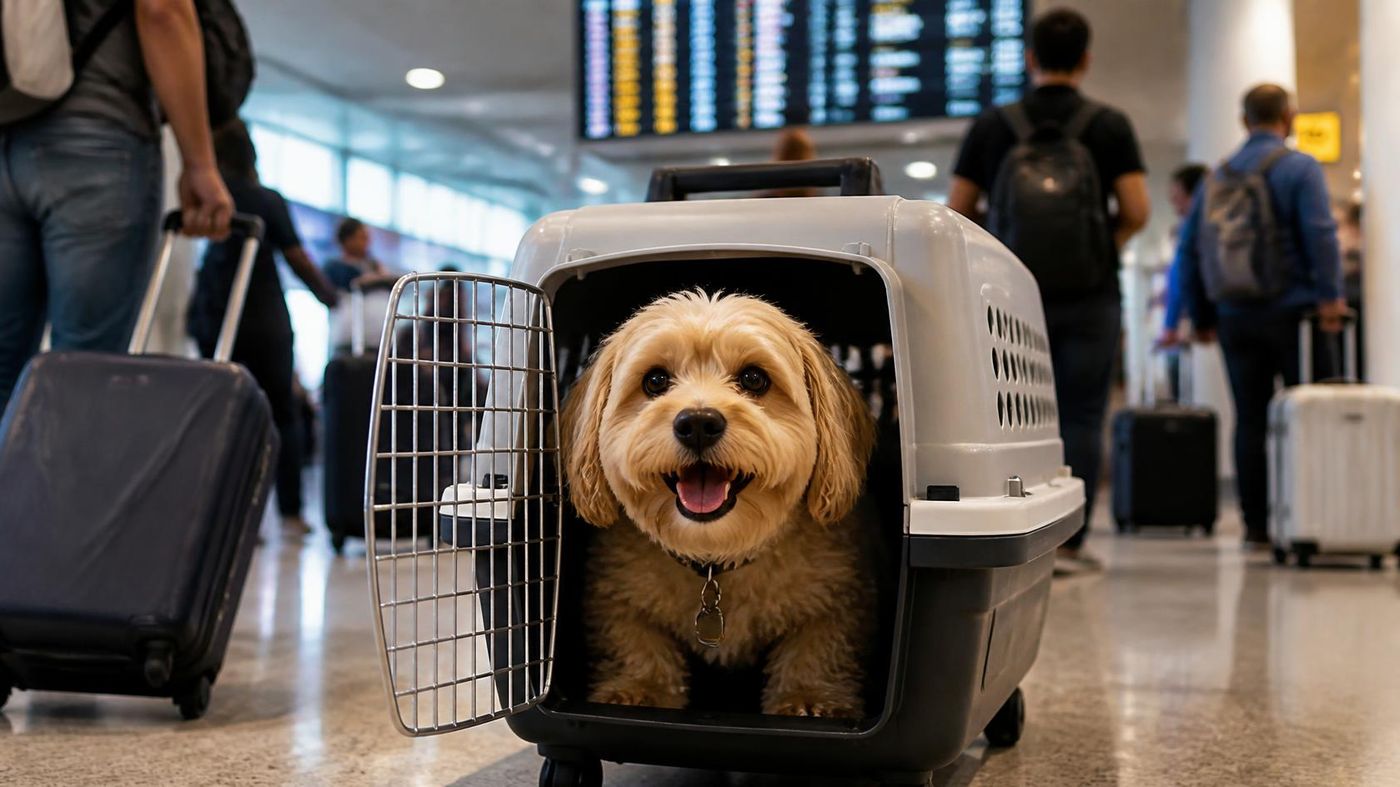
Compared to what you're about to read if you ever move a pet the other way, Australia to Canada is the easy direction. Canada's biosecurity rules for personal pets are straightforward, the timeline is measured in weeks rather than months, and the whole process is genuinely doable without hiring a relocation company.
Who handles pet imports into Canada
The Canadian Food Inspection Agency (CFIA) sets the rules for bringing dogs and cats into Canada, and Canada Border Services Agency (CBSA) officers check your paperwork at the border. Australia is not on CFIA's list of high-risk rabies countries, which is the main reason this direction is so much simpler than the reverse.
What you actually need
- 1
Rabies vaccination (if your pet is 3 months or older)
A valid rabies vaccination is required for any dog or cat aged 3 months or older. Puppies and kittens under 3 months are exempt from this requirement entirely.
- 2
A proper rabies certificate
Get your vet to issue a certificate in English or French (have it translated if not), identifying your pet by breed, sex, colour or markings, and microchip or tattoo number if they have one. It must state the vaccination date, the vaccine's trade name and serial number, and how long the vaccine is valid for. If no validity period is stated, CFIA treats it as valid for one year from the vaccination date.
- 3
Microchipping (recommended, not mandatory)
CFIA does not require a microchip or tattoo for a personally owned dog or a domestic cat arriving from Australia, since it's not a designated high-risk country. Do it anyway - it's the standard for identifying a lost pet in Canada, and most vets will want one on file regardless.
- 4
Present your pet and paperwork at the border
A CBSA officer will do a visual health check and verify your documents on arrival. If your pet appears unwell, expect further questions or a referral to a vet. Otherwise this step takes minutes.
Commercial vs personal imports - know which one you are
Canada draws a sharp line between a personal pet (the family dog moving with you) and a commercial import (adoption, fostering, breeding, resale). Commercial imports trigger extra paperwork and, for pets under 8 months old, an additional health certificate confirming fitness to travel. If you're moving your own long-term pet as part of your relocation, you're almost certainly in the personal category - but if there's any doubt, check CFIA's Automated Import Reference System (AIRS) before you book flights.
What it costs
CFIA/CBSA inspection fee
CAD $36.95
first animal, plus CAD $6.16 for each additional pet, effective 31 Mar 2026
Vet visit + rabies vaccination
AUD $100-250
varies by clinic and whether your pet is already vaccinated
Airline pet fee (cabin or cargo)
AUD $200-1,500+
depends on airline, crate size and whether your pet flies as cargo or accompanied excess baggage
Approved travel crate
AUD $80-300
must meet IATA specifications for the airline you're flying
All up, most people move a single dog or cat from Australia to Canada for somewhere between a few hundred and around AUD $2,000, depending almost entirely on the airline and crate size rather than the government paperwork itself.
A few practical tips
- Book your pet's flight early. Airlines cap the number of animals per flight, especially in cargo. Don't leave this to the week before you fly.
- Keep paper copies of everything. Border officials want a stamped, signed original rabies certificate, not a photo on your phone.
- Talk to your vet about the flight itself. Sedation is generally discouraged for air travel; ask about crate training and anxiety management instead, particularly for a long-haul flight.
Moving from Australia to Canada?
Our free relocation checklist covers your pet, your visa, your bank account and everything else to sort before departure.
The bottom line
This is one of the more manageable pet relocations in the world. Get your rabies certificate sorted properly, book your flight with enough runway to secure a cargo or cabin spot, and keep your paperwork on paper. Most Australians handle this themselves without needing a pet relocation company.
Moving a pet is its own project on top of everything else. If you want the rest of the move planned out too, visas, banking, housing and your first 90 days, the Ultimate Relocation Guide is a paid, step-by-step guide (from AUD $59) that covers it end to end.
Related Reading
Moving from Australia to Canada: The Complete 2026 Guide
Moving Your Pet Between Canada and Australia: What You Actually Need to Know
Shipping Your Belongings from Australia to Canada: Full Cost Breakdown