NHS Healthcare in the UK: A Complete Guide for Australians
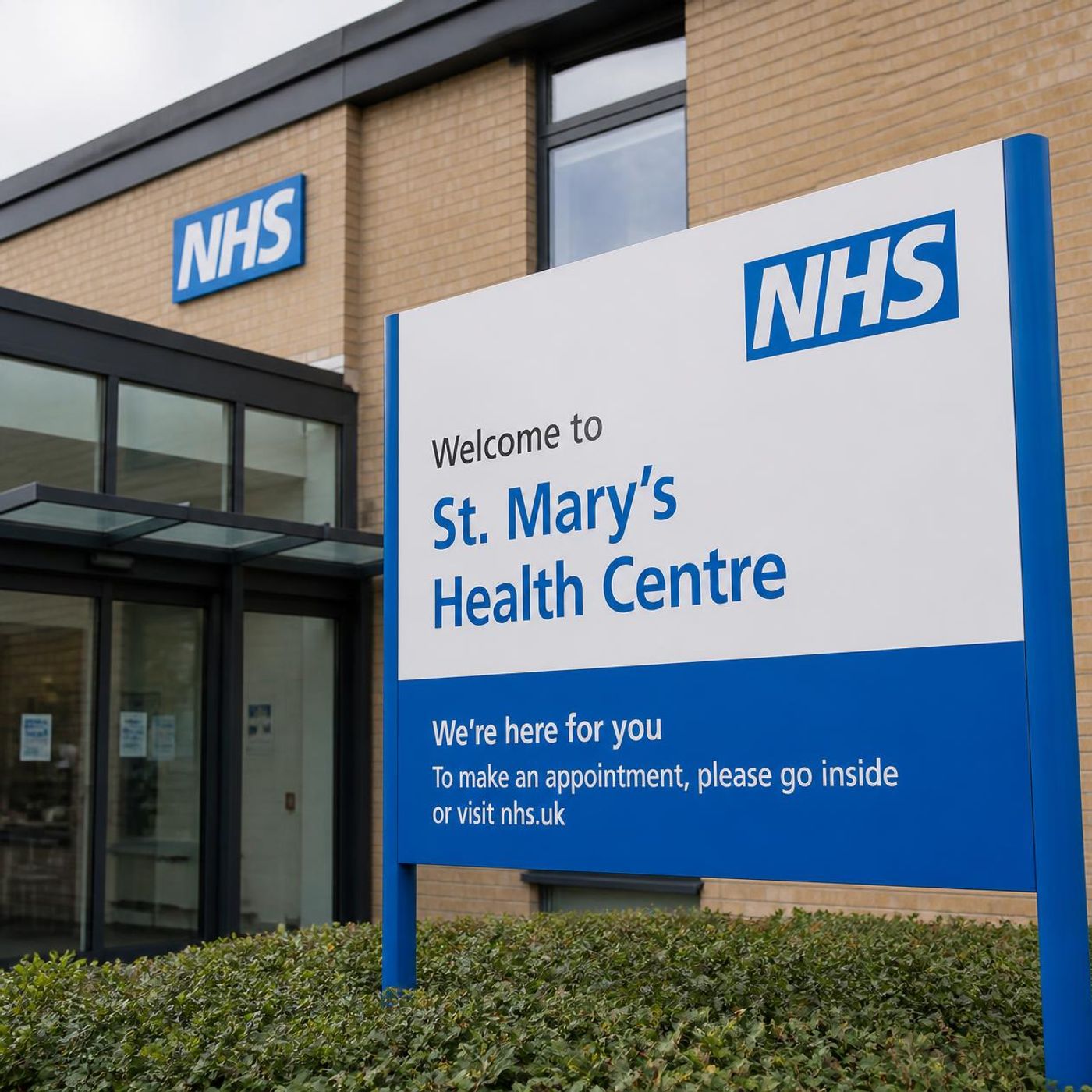
Moving from Australia to the UK means swapping Medicare for the NHS, and the two systems work pretty differently. The good news is the NHS is genuinely excellent once you understand how it's set up. The not-so-good news is there's an upfront cost to access it, and a few things you're used to getting covered in Australia aren't included. Here's everything you need to know.
The Immigration Health Surcharge: your ticket to the NHS
Before you even land in the UK, you'll pay the Immigration Health Surcharge (IHS) as part of your visa application. This is a mandatory fee that gives you access to the NHS on the same basis as a permanent UK resident. You pay it upfront for the full length of your visa, so if you're on a three-year Skilled Worker visa, you're paying three years' worth in one hit.
IHS (standard adult)
£1,035/year
Paid upfront for full visa duration
IHS (students/YMS/under 18)
£776/year
Applies to Youth Mobility Scheme too
Health & Care Workers
Exempt
Also exempt for their dependants
If you're coming on a Youth Mobility Scheme (YMS) visa, which is the most common route for Australians under 35, you'll pay the reduced student rate of £776 per year. For a two-year YMS visa, that's £1,552 upfront. It stings, but it covers virtually all NHS services including GP visits, hospital treatment, A&E, maternity care and mental health services.
How the NHS differs from Medicare
The biggest difference you'll notice is the gatekeeper model. In Australia, you can book directly with a specialist or walk into a bulk-billing clinic whenever you want. In the UK, your GP is the front door for almost everything. You need a GP referral to see a specialist, and you can't just shop around between practices the way you might between bulk-billing clinics back home.
Here are the key differences that catch most Australians off guard:
- No out-of-pocket for GP visits. In Australia, even with Medicare, you often pay a gap fee. In the UK, GP appointments are completely free.
- You're registered with one GP practice. You can't just walk into any clinic. You register with a local practice and that's where you go. Changing practices means formally deregistering and re-registering.
- Waiting times can be longer. Getting a non-urgent GP appointment might take a couple of weeks, and specialist referrals can take months. Urgent and emergency care is fast, but routine stuff requires patience.
- No Medicare-style rebates. The NHS model is simpler: it's either free on the NHS or you pay the full private price. There's no rebate system for private treatment.
- 111 replaces Healthdirect. For non-emergency medical advice, call 111 (free from any phone). For emergencies, it's 999, same as Australia's 000.
Registering with a GP
This should be one of the first things you do after arriving. Don't wait until you're sick. Finding a GP practice and getting registered takes a bit of time, and you'll want it sorted before you actually need it.
The process is straightforward:
- Search for GP practices near your address on the NHS website (nhs.uk)
- Check they're accepting new patients (not all practices are)
- Fill in the GMS1 registration form, either online or in person at the practice
- Bring your passport and proof of address if you have it (a tenancy agreement works well)
- Wait for confirmation, usually within 3-5 working days
Legally, a GP practice cannot refuse to register you because you don't have proof of address or ID. In practice, bringing your passport and a tenancy agreement makes everything smoother. You don't need an NHS number to register - they'll assign you one during the process.
One thing worth knowing: your Australian medical records won't transfer automatically. If you have ongoing conditions or take regular medication, bring a summary from your Australian GP. This saves a lot of time and avoids having to re-explain your full medical history.
Prescription costs
This is one of the few areas where you'll pay out of pocket on the NHS, and it varies dramatically depending on where in the UK you live.
In England, you pay £9.90 per prescription item. That's per item, not per visit. So if your GP prescribes three different medications, you're paying £29.70. If you take regular medication, a Prescription Prepayment Certificate (PPC) caps your costs at £114.50 per year or £32.05 for three months, no matter how many items you need.
In Scotland, Wales and Northern Ireland, all prescriptions are completely free for everyone. Scotland abolished charges in 2011, Wales in 2007 and Northern Ireland in 2010. If you have any flexibility about where you settle in the UK, this is worth knowing.
Prescription (England)
£9.90/item
Per item, not per visit
Prepayment certificate
£114.50/year
Unlimited prescriptions in England
Scotland, Wales, NI
Free
All prescriptions free for everyone
For context, the PBS in Australia subsidises prescriptions to $31.60 per item (or $7.70 with a concession card). So England's £9.90 flat rate is actually cheaper per item than Australia's PBS general rate for most medications. The big difference is that in Australia, the PBS subsidises expensive drugs down to that price, whereas the NHS £9.90 covers everything regardless of the actual cost of the medication.
Dental care: the big gap
Here's where a lot of Australians get caught out. Unlike in Australia, NHS dental care isn't free for most working-age adults. It's subsidised through a banding system, but you still pay a chunk.
Band 1 (check-up, X-rays)
£27.90
Includes scale and polish
Band 2 (fillings, extractions)
£76.60
Covers root canals too
Band 3 (crowns, dentures)
£332.10
Includes bridges
These are per-course-of-treatment charges in England as of April 2026. One Band 2 charge covers all the fillings you need in a single treatment course, which is a good deal if you need multiple fillings done.
If you can't find an NHS dentist, call the NHS on 111 and they can help locate one accepting new patients in your area. It's worth being persistent about this, because the cost difference between NHS and private dental work is significant.
Eye tests and optical care
Like dental, optical care on the NHS is limited for most working-age adults. If you're a healthy adult between 18 and 59 with no specific conditions, you'll pay for your own eye tests and glasses.
Free NHS eye tests are available for children under 16 (or under 19 in full-time education), adults aged 60 and over, people with diabetes or glaucoma, those on certain means-tested benefits and people aged 40+ with a close family member diagnosed with glaucoma.
For everyone else, a standard eye test at a high-street optician costs around £25-£30. Specsavers, Boots Opticians and Vision Express are the main chains, and they regularly run promotions. Glasses and contact lenses are entirely out of pocket for most adults, though NHS optical vouchers are available if you're on certain benefits.
This is roughly similar to Australia, where Medicare doesn't cover optometry for most adults either, so it shouldn't feel too unfamiliar.
The Australia-UK Reciprocal Healthcare Agreement
Australia and the UK have a Reciprocal Health Care Agreement (RHCA) that covers medically necessary treatment through the public health system. This is mainly relevant if you're visiting the UK before your visa starts, or if you're travelling on a tourist visa. It covers essential NHS treatment but not elective procedures, and you'll still pay for prescriptions.
If you're moving to the UK on a work or study visa and paying the IHS, the reciprocal agreement is less relevant to you because the IHS already gives you full NHS access. Where it matters is if you're on a short visit, or if there's a gap between arriving and your visa starting.
Important: the RHCA is not a substitute for travel insurance. It doesn't cover repatriation, private treatment or dental care. Always have travel insurance for the period before your visa-based NHS coverage kicks in.
Mental health services
Moving countries is stressful, and it's worth knowing what's available if you need support. The NHS covers mental health services, and there's a self-referral pathway that doesn't require a GP appointment.
NHS Talking Therapies (previously called IAPT) is the main service for anxiety and depression. You can self-refer directly through the NHS App or your local service's website, no GP referral needed. The service offers cognitive behavioural therapy (CBT), counselling and guided self-help, all free.
The catch is waiting times. The NHS target is 75% of patients seen within 6 weeks and 95% within 18 weeks, but in practice, waits can be much longer depending on your area. Some trusts have reported waits of over a year for talking therapies.
For more urgent mental health support:
- Crisis line: Call 111 and select the mental health option
- Samaritans: Call 116 123, free and available 24/7
- Emergency: Call 999 or go to A&E if you or someone else is in immediate danger
If you're currently seeing a psychologist or psychiatrist in Australia and want continuity of care, consider lining up a private therapist in the UK before you move. Private sessions typically cost £50-£100 per session, and platforms like the British Association for Counselling and Psychotherapy (BACP) directory can help you find accredited therapists.
Should you get private health insurance?
In Australia, there's a financial incentive to hold private health insurance through the Medicare Levy Surcharge. The UK has no equivalent, so there's no tax penalty for not having private cover. The question is purely whether you want faster access to treatment.
Private health insurance in the UK is worth considering if:
- You want to skip NHS waiting lists for specialist appointments and elective procedures
- You want to choose your specialist rather than being assigned one
- Dental and optical cover is important to you
- Your employer offers it as a benefit (many UK employers do)
Basic private health cover in the UK starts from around £30-£60 per month for a healthy adult in their 20s or 30s, with Bupa, AXA Health and Vitality being the main providers. Most policies cover outpatient consultations, diagnostic tests and inpatient treatment, but check whether dental and optical are included or need adding separately.
For most healthy Australians on a YMS or short-term work visa, private insurance probably isn't essential. The NHS handles emergencies and serious illness well, and you're already paying the IHS. Where it adds value is if you have an ongoing condition that needs regular specialist care, or if you want dental cover.
Planning your move to the UK?
Our free checklist covers healthcare setup, banking, accommodation and everything else you need to sort before and after you arrive.
Practical tips for navigating the NHS
A few things I wish someone had told me before dealing with the NHS for the first time:
- Download the NHS App. Once registered with a GP, the NHS App lets you book appointments, order repeat prescriptions, view your medical records and access NHS 111 online. It's genuinely useful.
- Pharmacists can do more than you think. For minor conditions like coughs, colds, UTIs and skin rashes, try a pharmacy first. UK pharmacists can assess, advise and in many cases prescribe treatment directly without a GP appointment.
- Ring at 8am for same-day appointments. Most GP practices release same-day appointments first thing in the morning. If you need to be seen quickly, call your practice right at opening time.
- A&E is for genuine emergencies. Don't use A&E like you might use an Australian emergency department for after-hours care. For urgent but non-emergency issues, use an NHS Urgent Treatment Centre or call 111.
- Bring a medical summary. Get your Australian GP to prepare a printed summary of your medical history, current medications and any allergies before you leave. Your UK GP will appreciate it.
The bottom line
The NHS is a solid public health system, and once you're past the initial IHS payment, most healthcare is genuinely free at the point of use. The main adjustments for Australians are getting used to the GP gatekeeper model, accepting that waiting times for non-urgent care can be longer, and budgeting separately for dental care.
Register with a GP in your first week, sort out an NHS dentist early, bring your medical records from home, and download the NHS App. Do those four things and you'll be well set up.
Getting your head around a new healthcare system is just one job on the list. The Ultimate Relocation Guide is a paid, step-by-step guide (from AUD $59) covering visas, banking, housing and your first 90 days as well.