Renting in Australia as a Canadian: What to Expect and How to Get Approved
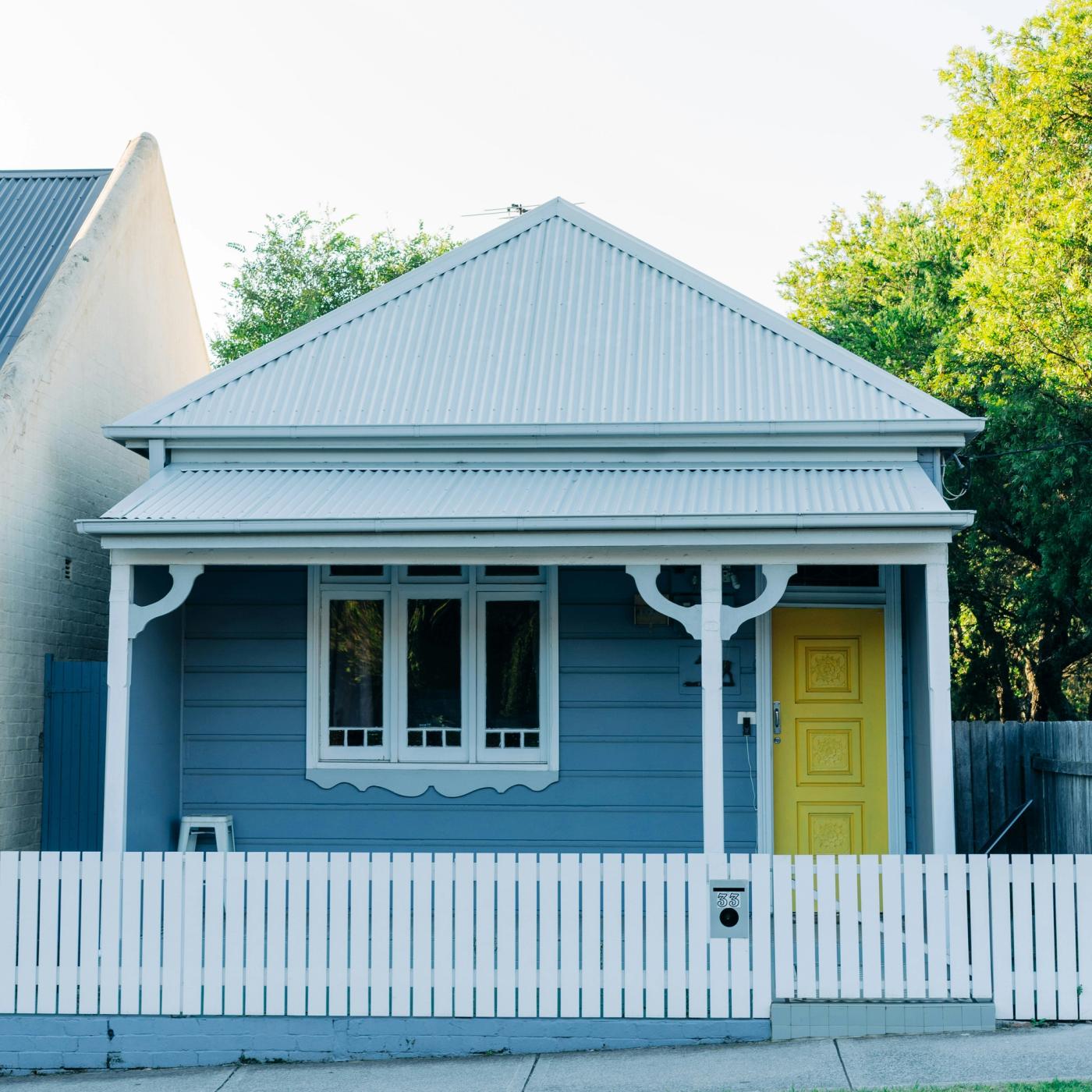
Australia's rental market is one of the tightest in the world right now. Vacancy rates in Sydney, Melbourne, Brisbane, and Perth have been sitting below two percent for years. If you're arriving from Canada expecting the process to work similarly to back home, you're in for a surprise - but it is manageable once you know the rules.
How Australian rentals work differently from Canada
The mechanics are different from what you know, starting with how rent is even quoted.
- Rent is quoted per week, not per month. A place listed at $650 per week costs roughly $2,817 a month. Multiply the weekly figure by 52, then divide by 12.
- Bond is four weeks' rent and is lodged with the state tenancy authority, not held by the landlord directly.
- Two weeks' rent in advance is paid on signing. That means your total day-one outlay is six weeks' rent.
- Leases run six or twelve months. Month-to-month arrangements at the start of a tenancy are uncommon.
- Almost everything is managed through real estate agents. You apply through the agent, not the owner directly.
Bond (deposit)
4 weeks' rent
Held by state tenancy authority
Advance rent
2 weeks' rent
Paid on signing
Total upfront
6 weeks' rent
Minimum day-one outlay
Where to search
Australia has two dominant property portals. Use both, and set up alerts immediately.
- realestate.com.au - the largest portal nationally. Set up saved searches for your target suburbs and price range so you get notified the moment something new lists.
- domain.com.au - strong across all major cities and sometimes lists properties not on realestate.com.au.
- Facebook Marketplace and flatmate.com.au - useful for share houses and private rentals. Good for bridging accommodation while you search for a long-term place.
What your application needs to include
Applications are detailed. You are competing with other applicants for the same property, so a complete, well-presented application matters more than you might expect.
100 points of ID
Your passport alone is usually worth 70 points. Add your Canadian driver's licence (25 points) and a bank card or Medicare card to reach 100. Get your Australian bank account and Medicare enrolment sorted as quickly as possible after landing - they become part of your ID stack.
Proof of income
Australian payslips are ideal. If you haven't started work yet, a signed employment contract or offer letter is a solid substitute. Bank statements showing strong savings help considerably if income documents are thin.
Rental references
Australian agents want to call a previous property manager directly. A letter from your Canadian landlord or property manager on letterhead, with a contact number they can call internationally, is a reasonable substitute. Give them a heads-up that they may receive a call from Australia.
A personal statement
A short paragraph about who you are, why you moved, where you work, and why you want this property. Agents read these and pass them to landlords. It sets you apart from a stack of otherwise identical applications.
How to submit your application
Most applications are submitted online through platforms like 1Form or Snug, which agents embed in their listings. Create profiles on both before you start inspecting so you can apply the same day you attend.
Speed matters. If you attend a Saturday morning inspection, aim to have your full application submitted by Saturday afternoon. Agents often process on a first-complete basis, not first-enquiry.
Short-term options while you look
Securing a long-term rental from Canada before you arrive is very difficult. Most agents want to meet you in person at an inspection. Plan for a bridge period of two to four weeks.
- Furnished serviced apartments or Airbnb for your first few weeks while you inspect properties
- Share houses via flatmate.com.au - faster to secure and lower documentation bar than a full lease
- Extended-stay hotels if you need a business address or post address from day one
Rough rental costs by city (2025-2026)
Sydney 2BR inner suburb
AUD $700-$900 pw
Higher in the CBD and eastern suburbs
Melbourne 2BR inner suburb
AUD $600-$800 pw
More affordable than Sydney overall
Brisbane 2BR inner suburb
AUD $550-$700 pw
Fast-rising market
Perth 2BR inner suburb
AUD $650-$850 pw
Market has tightened sharply
Your rights as a tenant
Tenancy law in Australia is state-based but core protections are consistent. Landlords cannot enter without notice (24-48 hours depending on the state). Rent increases during a fixed-term lease are tightly regulated. Bond must be lodged with the relevant state authority within a set number of days.
Each state has its own disputes body: Fair Trading NSW and NCAT in New South Wales, Consumer Affairs Victoria and VCAT in Victoria, the Residential Tenancies Authority in Queensland, and the Department of Mines, Industry Regulation and Safety in Western Australia.
Moving from Canada to Australia?
Our free relocation checklist covers housing, banking, Medicare enrolment, and everything you need to sort before and after you land.
The bottom line
Australia's rental market is competitive but absolutely workable. A complete application, a clear personal statement, the right documentation, and a willingness to move quickly when you find the right place will get you across the line. Plan for short-term accommodation on arrival, have your cash ready in an Australian account, and start inspecting properties the week you land.
Finding somewhere to live is one of the harder parts of relocating. If you'd rather have the rest of the move mapped out too, visas, banking, healthcare and your first 90 days, the Ultimate Relocation Guide is a paid, step-by-step guide (from AUD $59) that covers it end to end.
Related Reading
Moving from Canada to Australia: The Complete Guide for Canadians
Tax File Number and Tax in Australia: A Canadian's Guide
Medicare in Australia for Canadians: What's Covered, Who Qualifies, and What to Do When You Arrive
Job Hunting in Australia as a Canadian: How the Market Works
Renting is just one piece of the puzzle. Our Moving to Australia hub covers the visa, banking and healthcare guides for the rest of the move.