Renting in Canada as a Kiwi: Finding a Place, Costs, and Tenant Rights
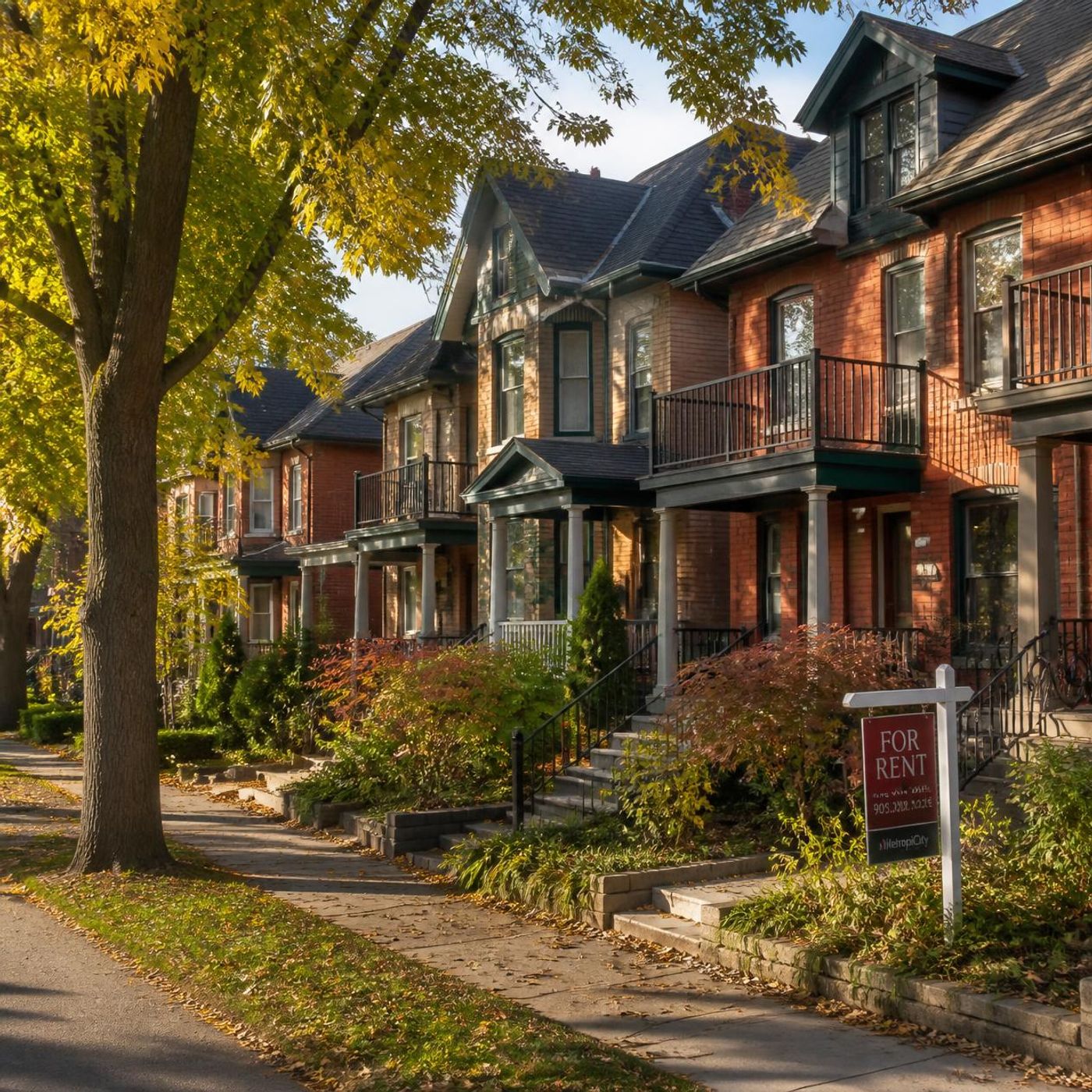
Finding a place to live in Canada can be competitive, especially in Vancouver and Toronto. But outside those two cities, the rental market is generally more accessible than what you're used to in Auckland or Wellington. Here's how renting works in Canada and what Kiwis need to know.
Where to Search
Rentals.ca and Zumper - the closest things to Trade Me's rental section. Comprehensive listings across all provinces with filters for price, size, and amenities.
Facebook Marketplace and local groups - surprisingly important in Canada. Many landlords list directly on Facebook, especially for rooms in shared houses. Search for "[city name] rentals" or "[city name] housing" groups.
Kijiji - Canada's classifieds site (similar to Trade Me in function). Popular for private landlord listings and room shares, especially in Ontario and the prairies.
Craigslist - still heavily used in Vancouver and some other cities. Filter carefully and watch for scams.
PadMapper and liv.rent - map-based search tools that aggregate listings. liv.rent includes identity verification, which can help newcomers without Canadian references.
Rent by City
Vancouver 1-bed
CAD 2,200-2,800/mo
Auckland equivalent: NZD 2,000-2,600/mo
Toronto 1-bed
CAD 2,100-2,700/mo
Wellington equivalent: NZD 1,600-2,200/mo
Calgary 1-bed
CAD 1,500-1,900/mo
Christchurch equivalent: NZD 1,400-1,800/mo
Montreal 1-bed
CAD 1,400-1,800/mo
Lower than most NZ cities
Ottawa 1-bed
CAD 1,600-2,100/mo
Good salary-to-rent ratio
Halifax 1-bed
CAD 1,400-1,800/mo
Fast-growing but still affordable
Vancouver and Toronto rents are comparable to Auckland, but Canadian cities outside those two are generally more affordable than NZ's main centres. Montreal stands out as remarkably affordable for a city of its size and quality of life.
How Renting Works
The process is similar to NZ but with some differences. You'll typically view the property, submit an application, provide references and proof of income, and sign a lease. Most leases are for 12 months, after which they convert to month-to-month. Some landlords will accept a shorter initial term, especially if you explain your visa situation.
Landlords will usually ask for a credit check. As a newcomer with no Canadian credit history, this can be a hurdle. Be upfront about being new to Canada, offer additional months of rent upfront if you can, and provide employment verification or a letter from your employer. Some landlords are experienced with newcomers and understand the situation.
Deposits and Fees
Deposit rules vary by province, which is a key difference from NZ's national tenancy laws:
Ontario
Last month's rent only
Security deposits are illegal in Ontario
British Columbia
Half month's rent
Maximum security deposit allowed
Alberta
One month's rent
Security deposit maximum
Quebec
No deposit allowed
First month's rent only
NZ comparison
4 weeks' rent bond
Held by Tenancy Services
Unlike NZ where the bond is held by Tenancy Services (a government agency), Canadian deposits are held by the landlord or a provincial body depending on the province. Ontario's rules are particularly tenant-friendly - landlords can only collect last month's rent as a deposit, not a security deposit.
Tenant Rights
Tenant protections in Canada are generally strong, though they vary by province. Key rights to know:
- Rent control exists in Ontario (for buildings built before November 2018), BC, and Manitoba, with annual increases capped at a government-set percentage. Quebec uses a non-binding tribunal-recommended guideline rather than a hard cap, so increases can exceed it if unchallenged. Alberta and most Atlantic provinces don't have rent control.
- Eviction protections are strong in most provinces. Landlords need valid grounds to evict (non-payment, damage, personal use) and must follow proper notice periods.
- Maintenance and repairs are the landlord's responsibility. If something breaks through normal wear, the landlord must fix it at their expense.
- Tribunals handle disputes. Ontario has the Landlord and Tenant Board, BC has the Residential Tenancy Branch, and each province has its equivalent. Similar concept to NZ's Tenancy Tribunal.
Differences from Renting in NZ
Utilities are sometimes included. Many Canadian apartments, especially older ones, include heat and water in the rent. Always clarify what's included before signing.
Central heating is standard. Canadian apartments have proper central heating, which is a genuine upgrade from NZ's heat pump and space heater situation. You won't be cold indoors during winter.
Apartments are more common. In NZ, standalone houses and townhouses dominate the rental market. In Canadian cities, purpose-built apartment buildings are far more common. Many have on-site laundry (or in-suite) and amenities like a gym or rooftop terrace.
Provincial rules, not national. NZ has one Residential Tenancies Act for the whole country. Canada's rental laws are provincial, so the rules change depending on where you live. Research the specific rules for your province.
Furnished rentals are rare. Most Canadian rentals are unfurnished, same as NZ. For short-term furnished options, look at corporate housing companies or furnished apartment platforms.
Tips for Kiwis
- Book temporary accommodation first. Don't try to sign a lease from NZ. Book an Airbnb or short-term rental for your first 2-4 weeks so you can view places in person.
- Be ready to move fast. Good rentals go quickly in competitive cities. Have your documents ready: employment letter, bank statements, references from NZ landlords, and a brief explanation of your situation as a newcomer.
- Watch for scams. Never send money before viewing a property in person (or via video call at minimum). If a deal seems too good, it probably is. Scams targeting newcomers are common on Craigslist and Facebook.
- Consider a roommate. Sharing is common and significantly reduces costs. It's also a great way to meet people when you first arrive.
- Get tenant insurance. It's cheap (CAD 20-40 per month) and covers your belongings and personal liability. Many landlords require it.
Moving from New Zealand to Canada?
Our free checklist covers accommodation, banking, healthcare, and everything else you need to sort before and after you arrive.
Finding somewhere to live is one of the harder parts of relocating. If you'd rather have the rest of the move mapped out too, visas, banking, healthcare and your first 90 days, the Ultimate Relocation Guide is a paid, step-by-step guide (from AUD $59) that covers it end to end.