Renting in New Zealand as an Australian: The Complete Guide
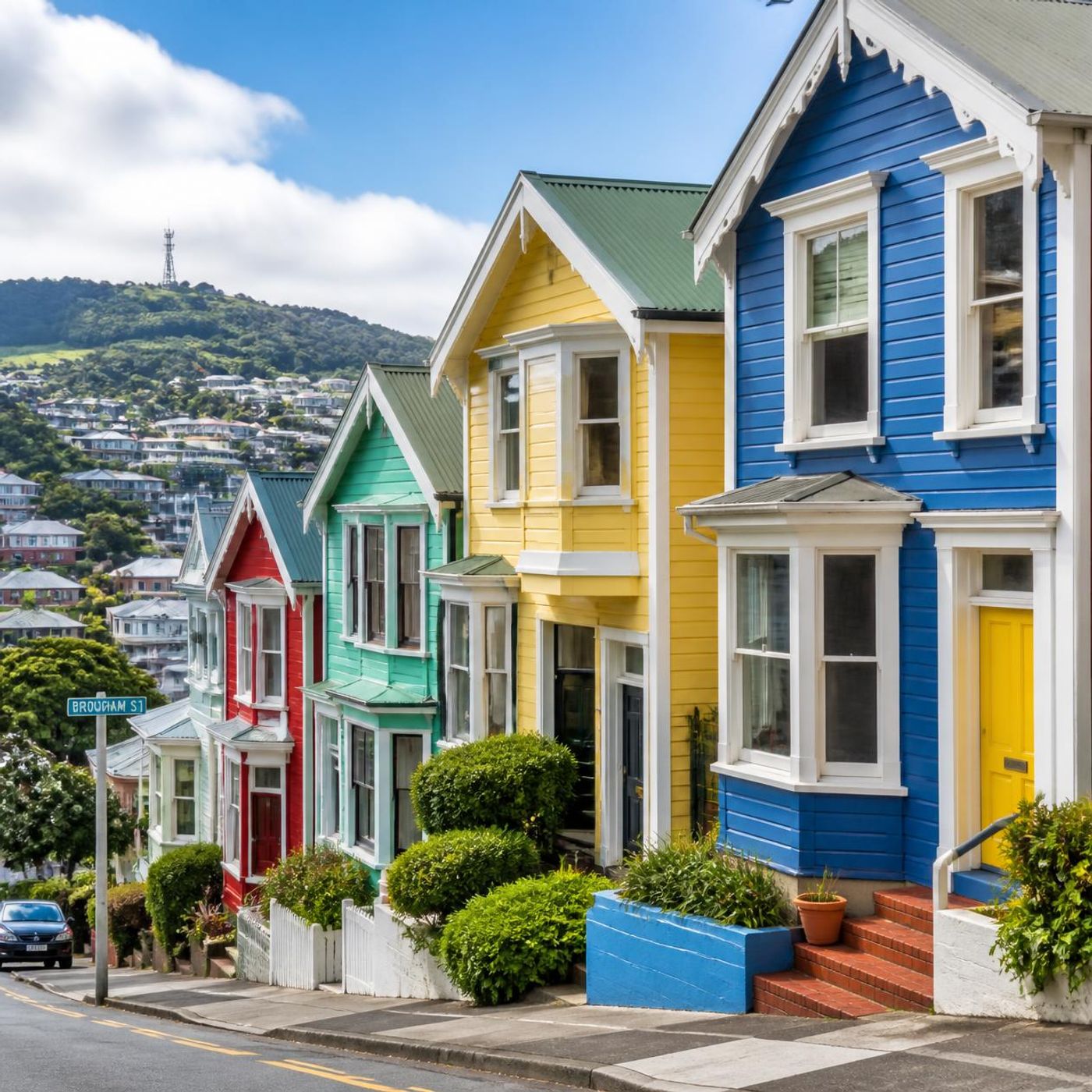
Renting in New Zealand will feel familiar if you're coming from Australia, but there are some key differences that catch people out. Rents are quoted weekly (same as AU), but the tenancy laws are different, the bond system works differently, and the quality of older rental properties can be a shock if you're used to Australian building standards.
Here's how to find a place, what it'll cost, and what your rights are as a tenant in New Zealand.
Where to Search for Rentals
Forget Domain and realestate.com.au. In New Zealand, the go-to platforms are:
- Trade Me Property (trademe.co.nz/property) - the dominant rental listing platform in NZ. Think of it as a combination of Domain and Gumtree. Most private landlords and agencies list here.
- realestate.co.nz - more focused on buying, but has rental listings too, especially from agencies.
- Facebook groups - local rental and flatmate groups are surprisingly active. Search for "[city name] rentals" or "[city name] flatmates wanted".
- Property management companies - Ray White, Barfoot & Thompson (Auckland), and Quinovic are among the larger ones. Many list directly on their own websites.
Rental Costs by City
Auckland (1-bed)
NZD $400-$550/wk
Most expensive city, varies hugely by suburb
Wellington (1-bed)
NZD $350-$500/wk
Compact city, central is pricey
Christchurch (1-bed)
NZD $300-$400/wk
Most affordable major city
Hamilton/Tauranga (1-bed)
NZD $350-$450/wk
Growing regional centres
Dunedin (1-bed)
NZD $250-$350/wk
University town, cheaper but cold
Compared to Australia, NZ rents are generally lower, especially outside Auckland. If you're coming from Sydney or Melbourne, you'll likely find NZ rents more manageable. Coming from Brisbane, the gap is smaller.
Like Australia, rents are typically quoted per week. When comparing or budgeting, multiply the weekly rent by 4.33 (not 4) to get the accurate monthly cost.
Bond and Upfront Costs
The bond system in NZ works differently from most Australian states:
- Bond is capped at 4 weeks' rent - landlords cannot ask for more than this, by law.
- Bond is lodged with Tenancy Services - not held by the landlord or agent. The landlord must lodge your bond within 23 working days.
- Rent in advance - landlords can ask for a maximum of 2 weeks' rent in advance. So your total upfront cost is typically 6 weeks' rent (4 bond + 2 advance).
- No letting fees - since December 2018, landlords and agents cannot charge tenants letting fees. This is a win compared to some Australian states.
Tenant Rights
NZ's Residential Tenancies Act provides strong tenant protections. Some key rights:
- No-cause terminations are allowed - since a January 2025 law change, landlords can end a periodic tenancy without giving any reason, with 90 days' notice. A specific-reason termination (selling the property, moving family in, major renovations) needs only 42 days' notice.
- Rent increases limited to once every 12 months - and the landlord must give you 60 days' written notice of any increase.
- Entry notice - landlords must give at least 24 hours' notice before entering the property, and only at reasonable times. Similar to Australian rules.
- Tenancy Tribunal - NZ's equivalent of VCAT or NCAT. If you have a dispute with your landlord, you can take it to the Tenancy Tribunal for a binding decision.
Healthy Homes Standards
This is important and it's something Australians need to know about. New Zealand's older housing stock has a well-documented problem with cold, damp, and poorly insulated homes. The Healthy Homes Standards were introduced to address this.
All rental properties must comply with minimum standards for:
- Heating - a fixed heater in the main living room capable of reaching 18°C
- Insulation - ceiling and underfloor insulation meeting minimum R-values
- Ventilation - extractor fans in kitchens and bathrooms, plus openable windows in living areas and bedrooms
- Moisture and drainage - efficient drainage, guttering, and downpipes
- Draught stopping - blocking unnecessary gaps and holes in walls, ceilings, windows, and floors
Flatting Culture
"Flatting" (sharing a house or apartment with others) is deeply embedded in NZ culture, especially in Auckland and Wellington where rents are highest. It's not just for students and backpackers. Plenty of professionals in their 30s and beyond flat together.
There are two common flatting arrangements:
- Joint tenancy - all flatmates are named on the tenancy agreement and share equal responsibility for rent and the property.
- Head tenant arrangement - one person holds the tenancy and sublets rooms to others. The head tenant is responsible to the landlord, and the flatmates pay the head tenant.
Flatting is a great way to keep costs down and meet people when you first arrive. A room in a shared flat typically costs $200-$350 NZD per week in Auckland or Wellington, and $150-$250 in smaller centres, often including utilities.
Fixed-Term vs Periodic Tenancies
NZ tenancies are either fixed-term (a set period, usually 6 or 12 months) or periodic (rolling, with no end date). At the end of a fixed term, the tenancy automatically becomes periodic unless you sign a new fixed-term agreement.
On a periodic tenancy, you can give 21 days' notice to leave. The landlord can end it with 90 days' notice without giving any reason, or 42 days' notice for a specific reason (selling, moving family in, renovations).
What to Check at a Viewing
When you inspect a rental in NZ, pay attention to these things that Australians often miss:
- Sun exposure - north-facing is what you want in NZ (opposite to Australia). A south-facing living area will be cold and dark in winter.
- Heating - check what type of heating is installed and whether it's adequate for the space. A small panel heater in a large open-plan area won't cut it.
- Dampness - look for mould, condensation on windows, musty smells, and water stains. These are red flags in NZ's wetter climate.
- Insulation - ask the landlord about the insulation statement. All rentals must have an insulation statement included in the tenancy agreement.
- Double glazing - newer builds have it, older ones often don't. Single-glazed windows in a Wellington winter are miserable.
The Bottom Line
Renting in NZ is generally cheaper than Australia's major cities, with a capped bond, no letting fees, and clear notice periods for ending a tenancy. The main watch-outs are older housing quality, dampness, and making sure your place has adequate heating and insulation.
Start browsing Trade Me Property before you arrive, consider flatting for your first few months, and don't sign a lease on a place you haven't inspected in person. The photos don't always tell the full story, especially when it comes to temperature and dampness.
Planning your move from Australia to New Zealand?
Our free checklist covers everything you need to sort before, during, and after the move. Accommodation, banking, visas, and the stuff nobody tells you.
Information in this article is based on publicly available data from Tenancy Services NZ (tenancy.govt.nz), Trade Me Property, and the Ministry of Business, Innovation and Employment as of August 2026. Rental prices are indicative and vary by suburb and property type.
Finding somewhere to live is one of the harder parts of relocating. If you'd rather have the rest of the move mapped out too, visas, banking, healthcare and your first 90 days, the Ultimate Relocation Guide is a paid, step-by-step guide (from AUD $59) that covers it end to end.
Once you've found somewhere to live, our Australia to New Zealand moving guide covers the rest of the move, from banking to your first weeks.