Renting in New Zealand as a Canadian: Finding a Place, Costs, and Tenant Rights
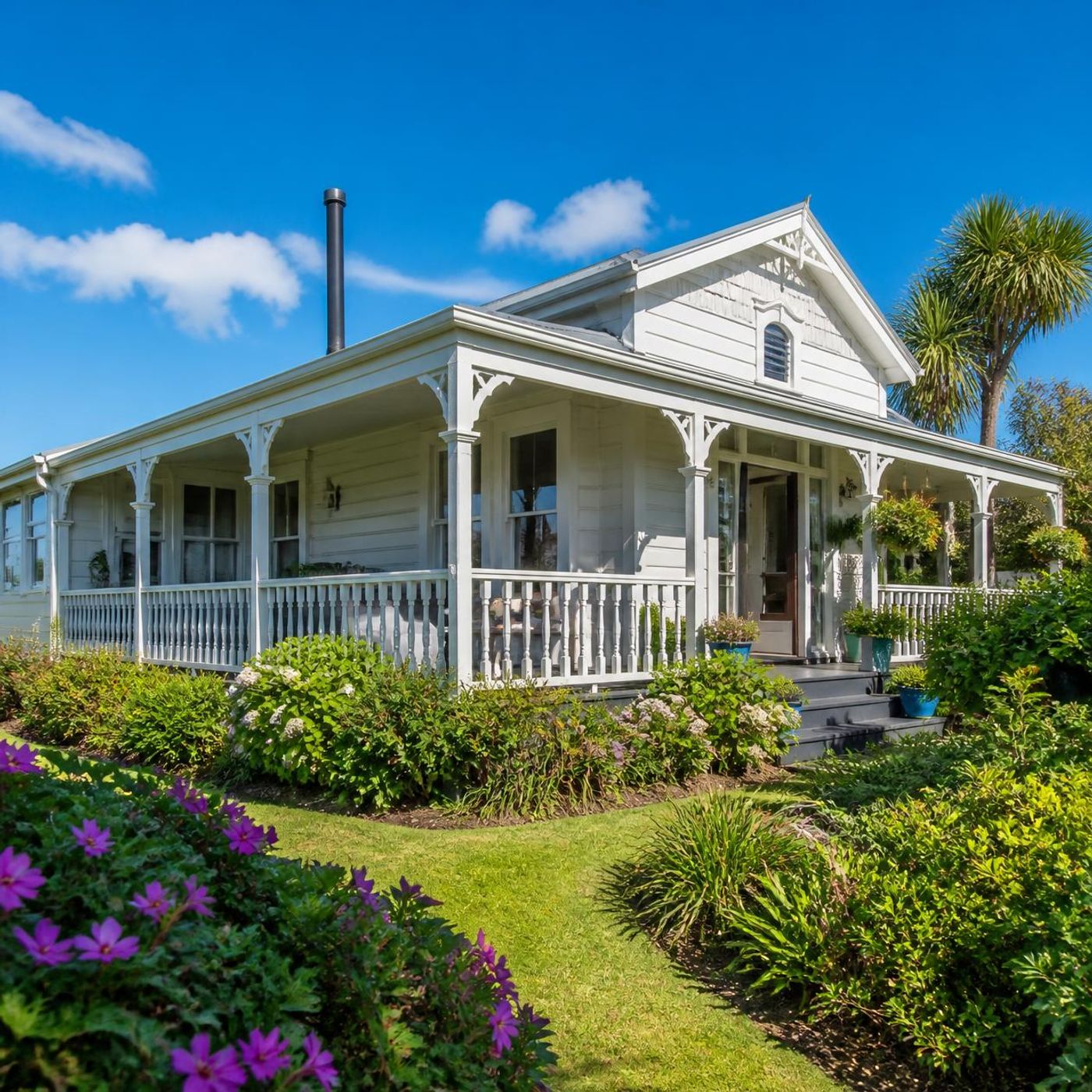
Finding a place to live in New Zealand works differently from Canada. There's no credit score system, no last month's rent upfront, and most rentals are standalone houses rather than apartment buildings. The market is competitive in Auckland and Wellington, but once you know how it works, you'll find your feet.
Where to Search
Trade Me Property - the dominant rental listing site in NZ. Think of it as NZ's Kijiji, but with far more market share. Most landlords and property managers list here first. You can filter by region, price, number of bedrooms, and property type.
Facebook Marketplace and local groups - popular for flatshare listings (shared houses). Search for groups like "Flats in Wellington" or "Auckland Flatmates Wanted." This is the main way younger renters find rooms in shared houses.
Homes.co.nz and OneRoof - property sites that aggregate rental listings. Useful for researching suburbs and getting a feel for pricing before you arrive.
Property management companies - Quinovic, Harcourts, Ray White, and Barfoot & Thompson manage large portfolios and list directly on their websites. Worth checking if Trade Me isn't turning up what you need.
What Rent Costs
Auckland (1-bed, central)
NZD 450-600/week
CAD 390-520/week
Wellington (1-bed, central)
NZD 400-550/week
CAD 350-480/week
Christchurch (1-bed)
NZD 300-420/week
CAD 260-365/week
Room in shared house
NZD 200-300/week
CAD 175-260/week
3-bed house (suburban)
NZD 550-800/week
CAD 480-695/week
NZ rents are quoted weekly, not monthly. This catches every Canadian off guard. To compare with your Canadian rent, multiply the weekly figure by 52 and divide by 12. A NZD 500/week place is roughly NZD 2,167/month (about CAD 1,885/month).
Bond and Upfront Costs
NZ's bond system is different from Canada's security deposit. The maximum bond a landlord can charge is 4 weeks' rent (by law). The bond must be lodged with Tenancy Services (a government agency), not held by the landlord. You'll also pay rent in advance, usually 2 weeks. So your total upfront cost is typically 6 weeks' rent.
There's no "last month's rent" concept like in Ontario. No credit checks in the Canadian sense either. Landlords will ask for references (previous landlords, employer) and proof of income, but there's no Equifax or TransUnion equivalent in NZ.
Tenant Rights
NZ tenant protections are strong and nationally consistent (unlike Canada's province-by-province system). Key rights:
- Healthy Homes Standards. All rental properties must meet minimum standards for heating, insulation, ventilation, moisture, and draught stopping. This is a legal requirement, not optional.
- No rent increases during a fixed-term tenancy. On a periodic tenancy, rent can only be increased once every 12 months with 60 days' written notice.
- 90-day notice for no-cause termination. On a periodic tenancy, landlords must give 90 days' notice to end the tenancy without cause. Tenants need to give 21 days.
- Tenancy Tribunal. Disputes are resolved through the Tenancy Tribunal, a low-cost government body. Filing a claim costs NZD 29 (as at 1 July 2026). Much simpler than Canada's Landlord and Tenant Board process.
- Landlord must maintain the property. Repairs are the landlord's responsibility. They must respond to urgent repairs within a reasonable time and other repairs within a reasonable timeframe.
What's Different from Canada
- Houses, not apartments. Most NZ rentals are standalone houses or townhouses. Purpose-built apartment buildings are common only in Auckland and Wellington CBDs. If you're used to a Toronto or Vancouver condo tower, the housing stock will look very different.
- No central heating. This is the big shock for Canadians. Most NZ homes don't have central heating or double glazing (though the Healthy Homes Standards are improving insulation). You'll rely on heat pumps, panel heaters, or wood burners. Houses are cold and damp in winter compared to Canadian standards.
- Flatting culture. Sharing a house with flatmates is the norm for anyone under 30 (and plenty of people older than that). It's not seen as a compromise - it's just how people live in NZ. You'll often find a room in an existing flat rather than signing a whole tenancy.
- No credit score barrier. Coming from Canada where landlords pull credit reports, NZ's reference-based system is simpler. Bring contact details for your last landlord and employer, and you're set.
- Weekly rent. Rent is paid weekly (sometimes fortnightly), not monthly. Set up an automatic payment through your NZ bank account.
Moving from Canada to New Zealand?
Our free checklist covers accommodation, banking, healthcare, jobs, and everything else you need to sort before and after you arrive.
Tips for Canadians
- Start with a flatshare. Find a room in a shared house for your first few months. It's cheaper, easier to arrange from overseas, and you'll meet people. Use Facebook groups to line something up before you arrive.
- Budget for heating. NZ houses are poorly insulated by Canadian standards. Your power bill will be higher than you expect if you're trying to keep the house warm in winter. Budget NZD 200-400/month for electricity.
- Check the Healthy Homes compliance. Ask the landlord for the Healthy Homes compliance statement before signing. It's legally required and tells you what heating and insulation the property has.
- Don't sign without seeing it. If you're arriving from Canada, try to avoid signing a lease sight unseen. Book temporary accommodation (hostel, Airbnb) for your first 2-4 weeks and search in person. Photos can be misleading, especially for dampness and heating.
Finding somewhere to live is one of the harder parts of relocating. If you'd rather have the rest of the move mapped out too, visas, banking, healthcare and your first 90 days, the Ultimate Relocation Guide is a paid, step-by-step guide (from AUD $59) that covers it end to end.
Once you've found somewhere to live, our Canada to New Zealand moving guide covers the rest of the move, from banking to your first weeks.