Shipping Your Life from Australia to New Zealand: The Complete Guide
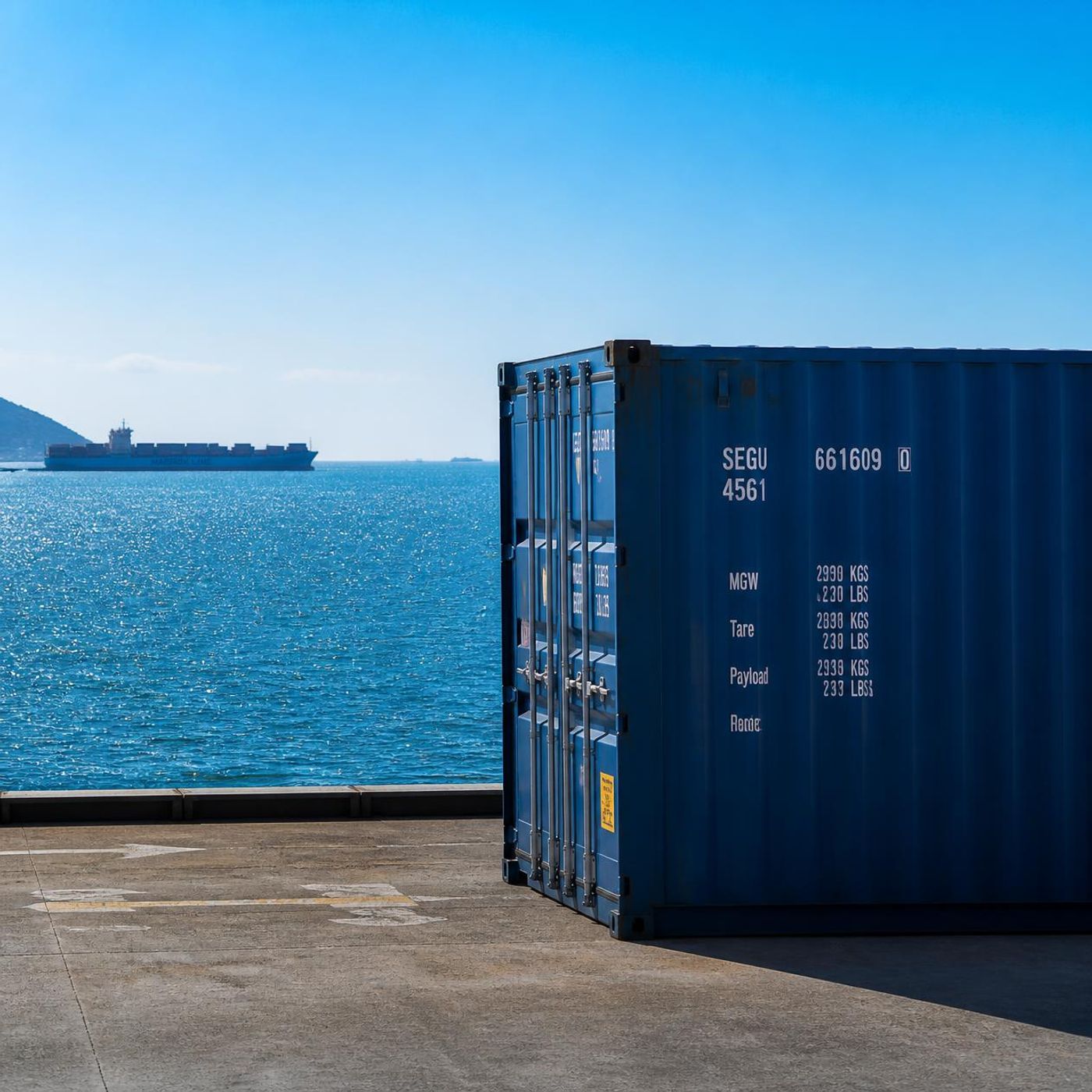
The good news about shipping from Australia to New Zealand is that it's one of the shortest and cheapest international shipping routes you can do. The Tasman Sea crossing takes less than two weeks by sea, and the costs are a fraction of what you'd pay to ship to the UK or Canada. The tricky part? New Zealand's biosecurity rules are among the strictest in the world.
Here's how to get your stuff across the ditch without losing your mind or your security deposit.
Your Shipping Options
There are three main ways to ship your belongings from Australia to New Zealand:
Full Container (FCL)
If you're moving an entire household, a full container is the most cost-effective option. You get either a 20-foot or 40-foot container to yourself. A 20-foot container fits the contents of a small to medium apartment. A 40-foot handles a full family home.
Shared Container / Groupage (LCL)
If you don't have enough to fill a full container, your belongings share space with other shipments. This is called LCL (Less than Container Load) or groupage. It's cheaper per cubic metre for smaller loads, but takes longer because the shipping company needs to consolidate multiple shipments.
Air Freight
Fast but expensive. Air freight makes sense for small, high-value, or urgently needed items. Think important documents, electronics, or a few boxes of essentials you need before your sea freight arrives. Transit time is typically 2-5 days.
20ft container (FCL)
AUD $2,500-$5,000
Door-to-port or door-to-door, varies by city pair
Shared container (LCL)
AUD $800-$2,500
Depends on volume, typically per cubic metre
Air freight
AUD $5-$10/kg
Fast but expensive for heavy items
Transit time (sea)
5-14 days
Plus customs clearance on arrival
Biosecurity: New Zealand Takes This Seriously
This is the part that catches people out. New Zealand's Ministry for Primary Industries (MPI) enforces some of the strictest biosecurity rules in the world. Their job is to protect NZ's unique ecosystem from pests, diseases, and invasive species, and they take it very seriously.
Every item you ship to NZ will be inspected or may be inspected at the border. If MPI finds biosecurity risk items, they'll either treat them (at your cost), hold them for further inspection, or destroy them. This can delay your shipment and add unexpected costs.
Items that will cause problems:
- Dirty outdoor items - garden tools, outdoor furniture, camping gear, sports equipment, and shoes with soil on them. Clean everything thoroughly before packing.
- Wood and wicker - untreated wood products, wicker baskets, bamboo items, and wooden furniture may need treatment or certification.
- Food - no fresh food, meat, dairy, honey, or seeds. Packaged pantry items may be allowed but check specific items with MPI.
- Plants and seeds - no live plants, seeds, bulbs, or flowers without an import permit and phytosanitary certificate.
- Animal products - feathers, shells, bone carvings, taxidermy, and raw animal products may be restricted or prohibited.
Customs and Duty
The good news: personal and household effects you've owned and used before your move are generally exempt from customs duty and GST when you import them to NZ, provided you've resided outside New Zealand for more than 21 months and hold a document authorising your NZ residence at the time of import (confirmed directly against customs.govt.nz's own criteria, updated April 2026). This applies to furniture, clothing, books, kitchenware, electronics, and other personal belongings, as long as they're not new or still in original packaging.
You'll need to complete a NZ Customs declaration (the Unaccompanied Personal Effects form) and provide a packing list. Your shipping company will usually help you with the paperwork.
Items that may attract duty:
- New or unused items (not classified as personal effects)
- Items bought specifically for the move or as gifts
- Alcohol over your duty-free allowance
- Vehicles and motor vehicles (separate import rules apply)
Bringing Your Pet
Australia to NZ is one of the easiest international pet relocations. New Zealand recognises Australia as a rabies-free country, which means dogs and cats can be imported from Australia without quarantine.
You will still need:
- An import permit from MPI (apply at least 2-3 months before travel)
- A veterinary health certificate issued within 10 days of travel
- Microchip identification
- Up-to-date vaccinations
- Internal and external parasite treatment before travel
Pet transport companies like Jetpets and PetExpress handle the paperwork and logistics. Costs typically range from AUD $1,500-$4,000 depending on the size of your pet and the level of service.
What to Leave Behind
Before you pack everything, think about whether it's worth shipping. Some things are cheaper to sell in Australia and buy new in NZ:
- Large appliances - fridges, washing machines, and dryers are heavy and expensive to ship. NZ uses the same power outlets (230V, type I plugs), so Australian appliances work, but the shipping cost often exceeds the replacement cost.
- Cheap furniture - flat-pack furniture isn't worth shipping. Sell it and buy new from NZ's equivalent stores (Noel Leeming, Harvey Norman, The Warehouse, Trade Me secondhand).
- Anything with soil - pot plants, garden decorations with soil, and anything that would trigger a biosecurity issue isn't worth the hassle.
Shipping Companies
Some reputable companies that handle AU to NZ moves:
- Allied Pickfords - one of the largest international movers, full-service option
- PACK & SEND - good for smaller shipments and self-pack options
- Seven Seas Worldwide - self-pack containers, competitive pricing
- OSS World Wide Movers - specialists in AU-NZ moves
The Bottom Line
Shipping across the Tasman is short, relatively cheap, and straightforward, as long as you respect the biosecurity rules. Clean everything that's been outdoors, don't try to sneak food through, and get your packing list right. The biggest risk isn't the shipping itself, it's having your container held at the border because MPI found soil on your hiking boots.
Get quotes early, be ruthless about what's worth shipping versus selling, and start the pet import process at least three months before your move date if you're bringing animals.
Planning your move from Australia to New Zealand?
Our free checklist covers everything you need to sort before, during, and after the move. Shipping, banking, visas, healthcare, and the stuff nobody tells you.
Information in this article is based on publicly available data from NZ Customs, the Ministry for Primary Industries (MPI), and international moving companies as of August 2026. Costs are indicative and vary by volume, service level, and city pair.
Sorting logistics like this is one job on a long list. If you want the rest of the move planned out too, visas, banking, housing and your first 90 days, the Ultimate Relocation Guide is a paid, step-by-step guide (from AUD $59) that covers it end to end.
Shipping your belongings is one job on the list; our Australia to New Zealand moving guide covers the rest, from banking to settling in.