Shipping Your Life from New Zealand to Canada: Costs, Customs, and What to Know
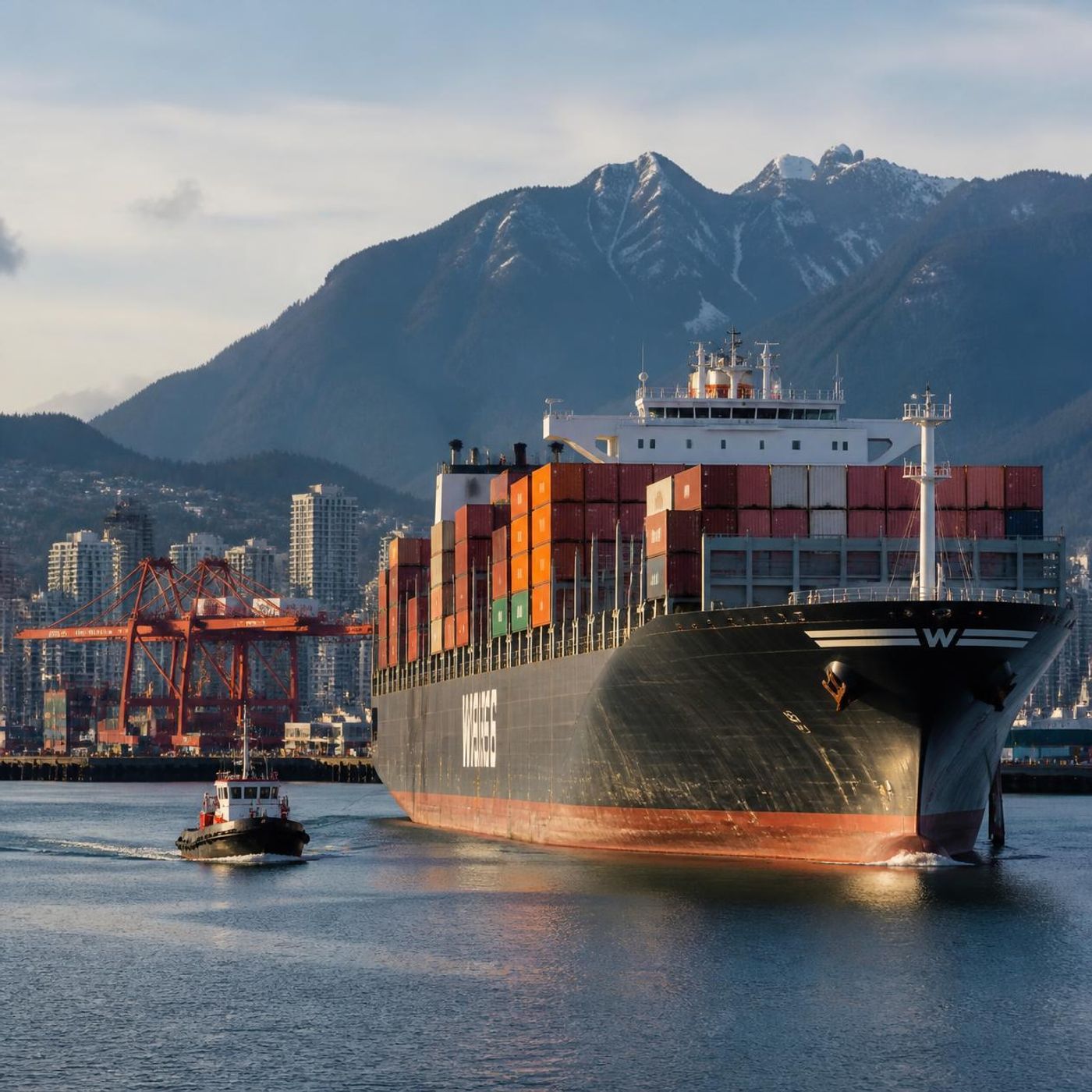
Shipping from New Zealand to Canada is a long-distance move across the Pacific. It's not cheap, and transit times are significant, so deciding what to bring and what to leave behind is one of the bigger decisions you'll make. Here's a practical guide to getting your stuff from NZ to Canada.
Your Options
Full Container Load (FCL)
A whole shipping container for your belongings. A 20ft container fits roughly a 2-3 bedroom house worth of furniture and boxes. This is the most cost-effective option if you're shipping a large volume, and your items travel in a sealed container without being mixed with other shipments.
Less than Container Load (LCL)
Your items share a container with other shipments. You pay by volume (cubic metre). Good for smaller moves - a few boxes and some furniture but not a full house. Slightly longer transit time than FCL because the container needs to be consolidated and deconsolidated at each end.
Air Freight
Fast but expensive. Typically 5-10 days delivery. Worth considering for essential items you need immediately, like work tools or medical equipment. Not practical for furniture or large volumes.
Excess Baggage Services
Companies like SendMyBag and Luggage Forward will ship boxes and suitcases door to door. Good for 5-20 boxes of personal items. Usually cheaper than airline excess baggage fees and less hassle than organising a sea freight shipment for small volumes.
Estimated Costs
20ft container (FCL)
NZD 7,000-12,000
Door to port, NZ to Vancouver/Toronto
40ft container (FCL)
NZD 10,000-16,000
For larger households
LCL (5 cubic metres)
NZD 2,500-4,500
Good for small to medium moves
Air freight (per kg)
NZD 8-15/kg
Minimum charges apply
Excess baggage (per box)
NZD 150-350/box
Via SendMyBag or similar
Insurance
2-4% of declared value
Strongly recommended for sea freight
These prices are estimates and vary depending on the season, fuel surcharges, and the specific origin and destination cities. Vancouver is cheaper to ship to than Toronto because goods don't need to travel across Canada by rail after arriving at port. Get at least three quotes.
Transit Times
Sea freight to Vancouver
4-6 weeks
Direct Pacific route
Sea freight to Toronto
7-10 weeks
Via Vancouver then rail, or via Panama Canal
Air freight
5-10 days
Door to door
Excess baggage services
7-21 days
Depends on service level
Add 1-2 weeks for customs clearance and delivery on the Canadian end. Plan to live without your shipped belongings for at least 6-12 weeks if going by sea.
Customs and Duty
Canada allows you to import your personal and household effects duty-free when you're moving permanently or on a long-term work permit. The key requirements:
- Items must be owned and used before your move (not purchased specifically to import duty-free)
- You must declare all goods on CBSA Form B4 (Personal Effects Accounting Document) when you first arrive
- Goods arriving after you must be declared as "goods to follow" on your original Form B4, presented when you first arrive in Canada
- There's no fixed deadline for "goods to follow" to arrive, but don't sell or dispose of anything you've imported duty-free within 12 months of its arrival, or it becomes retroactively subject to duty
What You Can't Bring
Canada has strict biosecurity rules, and some items that are fine in NZ are restricted or prohibited:
- Food and plant products - fresh fruit, vegetables, meat, dairy, and most plant materials are prohibited. Packaged, shelf-stable food is generally fine but declare everything.
- Weapons - firearms require a valid Canadian firearms licence. Many types of knives and other weapons are prohibited outright.
- Vehicles - importing a car from NZ is possible but expensive and complex. The vehicle must meet Canadian safety standards and be converted from right-hand to left-hand drive. Most people sell their car in NZ and buy one in Canada.
What to Leave Behind
Given the cost and distance, be ruthless about what you ship. A good rule: if it costs less to replace in Canada than to ship, leave it behind.
- Cheap furniture - IKEA and Facebook Marketplace in Canada will furnish your place for less than shipping costs
- Large appliances - Canadian apartments usually come with a fridge and stove included. NZ and Canadian outlets are different (Type I vs Type A/B).
- Heavy books - unless they have sentimental value. Books are heavy and expensive to ship per kilo.
Voltage and Electronics
Laptops, phone chargers, and most modern electronics are dual-voltage and just need a plug adapter. But hair dryers, straighteners, kitchen appliances (kettles, toasters, blenders), and other single-voltage devices will need to be replaced in Canada.
Bringing Pets
Canada is relatively straightforward for pet imports from NZ. Dogs need a valid rabies vaccination certificate (NZ is rabies-free, so your dog will need to be vaccinated before departure). Cats require a health certificate from your vet. No quarantine period is required for dogs or cats arriving from NZ.
Dog (NZ to Canada)
NZD 3,000-7,000
Including crate, vet fees, and airline
Cat (NZ to Canada)
NZD 2,500-5,000
Including crate, vet fees, and airline
Pet transport company
NZD 4,000-10,000
Full-service door to door
Choosing a Shipping Company
- Get at least three quotes from companies that specialise in NZ-to-Canada moves
- Check if the quote is door-to-door or door-to-port (port charges and delivery add up)
- Ask about insurance coverage and what's excluded
- Look for members of FIDI (international movers federation) or BAR (British Association of Removers) as quality markers
- Read reviews from other NZ-to-Canada movers on expat forums and Facebook groups
Moving from New Zealand to Canada?
Our free checklist covers shipping, banking, healthcare, accommodation, and everything else you need to sort before and after you arrive.
Sorting logistics like this is one job on a long list. If you want the rest of the move planned out too, visas, banking, housing and your first 90 days, the Ultimate Relocation Guide is a paid, step-by-step guide (from AUD $59) that covers it end to end.