Driving in Australia as a Canadian: Licence Exchange, Road Rules, and Buying a Car
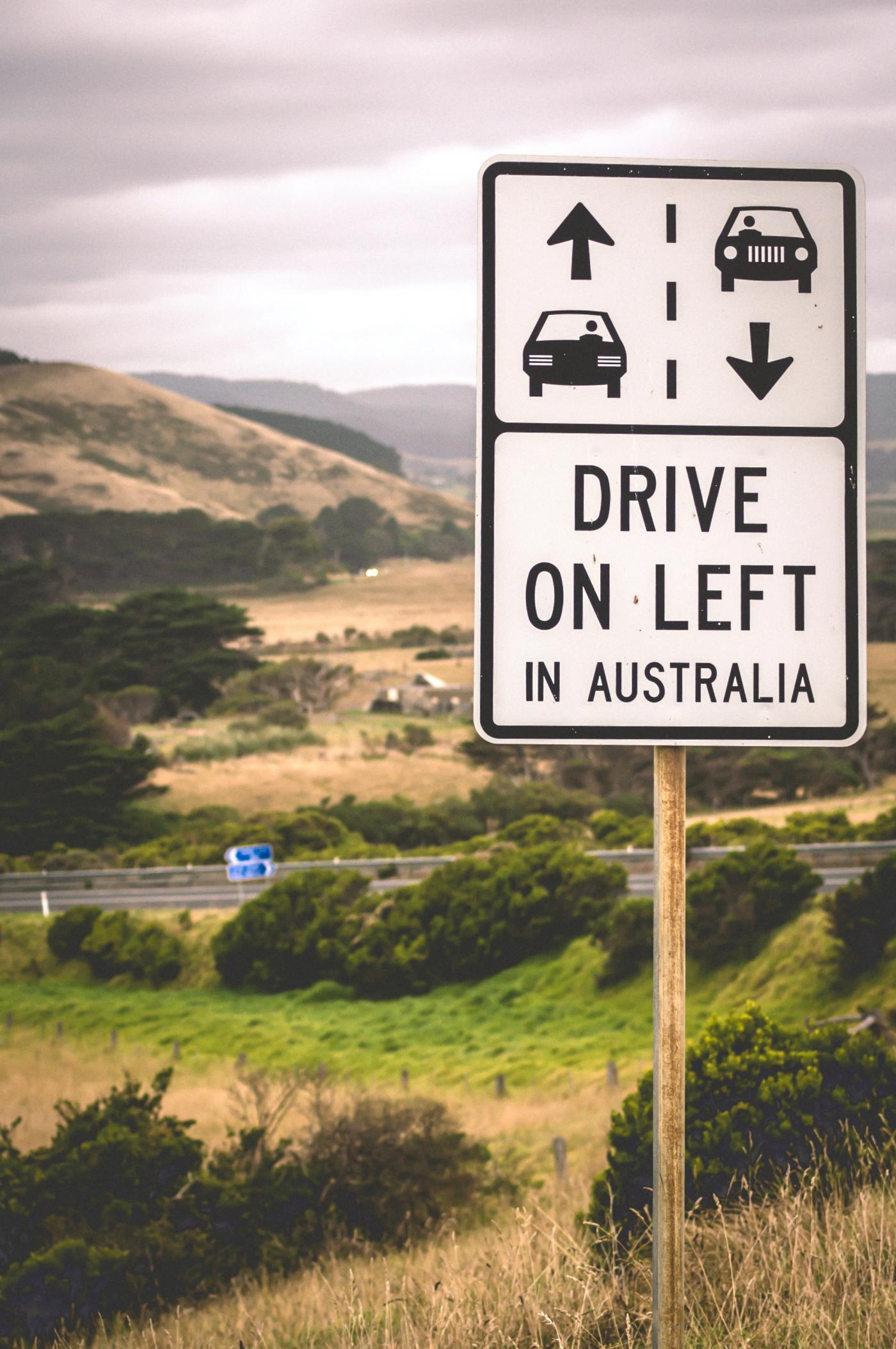
Driving in Australia is one of the bigger practical adjustments for Canadians. You're on the left side of the road, the steering wheel is on the right side of the car, and the road rules have some specific differences. The good news: your Canadian licence can be exchanged for an Australian one without a test in most states, and you're allowed to drive on your foreign licence for a period after arrival.
Left-hand traffic: the biggest adjustment
Canada drives on the right. Australia drives on the left. This is not a minor detail - it affects everything from where you sit in the car, to which way you look when crossing a road on foot, to your instincts at intersections.
Most people adjust within a week of regular driving, but the first few days are genuinely uncomfortable. A few practical tips:
- Avoid driving in heavy city traffic for the first day or two. Start on quieter suburban roads.
- Your instinct to reach for the gear shift will initially go to the door handle. Manual cars are harder to adjust to. An automatic is recommended for your first Australian car if you haven't driven left-hand traffic before.
- Roundabouts in Australia are navigated clockwise. Traffic already in the roundabout has right of way.
- When turning left, you stay close to the kerb. When turning right, you cross oncoming traffic - the same as turning left in Canada.
Can you drive on your Canadian licence?
Yes - for a period. All Australian states and territories allow you to drive on a valid foreign licence for a period after arriving. The timeframe varies by state but is generally three to six months. After that, you must hold an Australian licence.
Exchanging your Canadian licence
Most states allow Canadians to exchange their licence for an Australian equivalent without sitting a knowledge test or practical driving test. The process and documents required vary by state.
New South Wales
Service NSW allows direct exchange from a Canadian licence with no tests required. You will need your current Canadian licence, proof of identity (passport), and your visa. Apply in person at a Service NSW centre. Fee applies.
Victoria
VicRoads (now part of Service Victoria) allows direct exchange from Canadian licences without tests. Apply in person with your Canadian licence, passport, and proof of Victorian address. The fee varies by licence class.
Queensland
Queensland Transport allows exchange from Canadian licences. You must apply within the allowed period of driving on your foreign licence. Apply at a Queensland Transport and Main Roads service centre with your licence, passport, and proof of Queensland residency.
Western Australia
The Department of Transport WA allows direct exchange from Canadian licences. Apply in person at a licensing centre with your Canadian licence, identity documents, and proof of WA residency.
Drive on Canadian licence
3-6 months
Varies by state - check locally
Licence exchange fee
AUD $40-$70
Varies by state and class
Tests required
None
For eligible Canadian licence holders
Key road rules that differ from Canada
Speed limits
Speed limits in Australia are in kilometres per hour. Default urban speed limit is 50km/h (not posted on every street - you're expected to know it). School zones are 40km/h during active hours. Open highway speed limits are typically 100-110km/h. Speed camera enforcement is serious and widespread - fines are significant.
Hook turns (Melbourne only)
Melbourne's CBD has hook turns - an unusual right-turn manoeuvre where you turn right from the left lane to avoid blocking tram lines. Signs will indicate where required. Look for the 'Hook Turn Only' signs and follow the specific instructions. It is confusing the first time.
Trams in Melbourne
You must stop behind a stationary tram when passengers are boarding or alighting - even if there is no platform. Pedestrians have right of way when crossing to or from a tram stop. Do not overtake a stationary tram.
Mobile phones
Using a handheld mobile phone while driving in Australia results in significant fines and demerit points. Hands-free is permitted only if the phone is mounted. Some states use AI camera enforcement that can detect phone use automatically.
Buying a car in Australia
If you need a car, Australia has an active used-car market. The process is simpler than in Canada in some ways.
Where to buy
- Carsales.com.au - the dominant used car marketplace in Australia. Equivalent to AutoTrader in Canada.
- Facebook Marketplace - active for private sales. Can find good deals but requires more due diligence.
- Dealerships - available in all cities. New and used. Finance is available but requires an Australian credit history for the best rates.
Registration and insurance
Every car in Australia must be registered and have Compulsory Third Party (CTP) insurance (called a 'green slip' in NSW), which covers personal injury to others. CTP is included in registration costs in most states. You will also want comprehensive car insurance on top of this - it is not compulsory but is strongly recommended.
When buying a used car privately, run a PPSR check (Personal Property Securities Register) to confirm there are no finance encumbrances on the vehicle. This costs around AUD $2 and takes minutes online. Do not skip it.
Moving from Canada to Australia?
Our free relocation checklist covers your licence exchange, TFN, bank account, Medicare, housing, and everything else to sort in your first month.
The bottom line
The left-hand adjustment takes a few days. Licence exchange is simple if your Canadian licence is current. Learn the specific rules for your state - especially anything involving trams if you're in Melbourne - and download your state's road rules handbook to review before you drive. Most Canadians are comfortable on Australian roads within a week.
Sorting logistics like this is one job on a long list. If you want the rest of the move planned out too, visas, banking, housing and your first 90 days, the Ultimate Relocation Guide is a paid, step-by-step guide (from AUD $59) that covers it end to end.
Related Reading
Moving from Canada to Australia: The Complete Guide for Canadians
Converting Your Australian Driver's Licence in Canada: A Province-by-Province Guide
Renting in Australia as a Canadian: What to Expect and How to Get Approved
Getting a SIM Card and Mobile Plan in Australia: A Guide for Canadians
Running a car is one line item in a much bigger budget. Our Australia vs Canada cost of living guide covers what you'd need to earn overall to maintain your lifestyle.