Grocery Shopping in Canada: An Australian's Guide to Supermarkets, Costs and What's Different
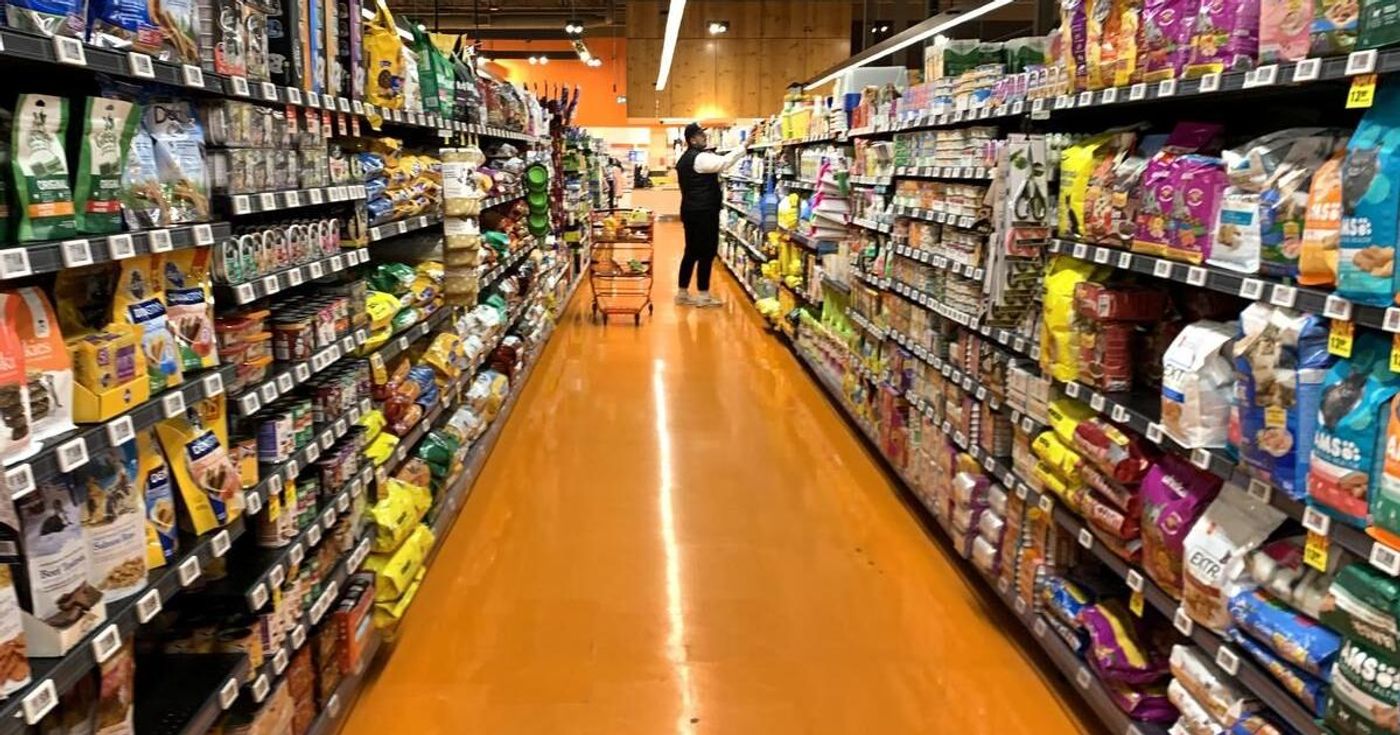
Grocery shopping is one of those mundane things that takes on surprising complexity when you move countries. The stores are different, the brands are different, some of your staples don’t exist, the prices are higher than you expect, and figuring out the best value requires a bit of experience.
Here’s what to expect as an Australian navigating Canadian supermarkets.
The main supermarket chains
Canada doesn’t have the simple Coles vs. Woolworths duopoly Australians are used to. There are several major chains with different positioning:
Loblaws. The largest grocery chain in Canada. Good range, decent quality, wide presence. More expensive than discount alternatives. Also operates under the names Fortinos, Zehrs, and Real Canadian Superstore (which is a bigger-format, lower-cost version).
Real Canadian Superstore. Loblaws-owned but positioned as a discount option. Bigger stores, warehouse feel, lower prices. Good for bulk shopping.
Metro. Strong in Ontario and Quebec. Quality-focused, similar pricing to Loblaws.
Sobeys. National chain, particularly strong in Atlantic Canada and the west. Also operates as Safeway in Western Canada and IGA in Quebec.
FreshCo. Discount chain owned by Sobeys. Smaller range, lower prices, good for basics.
Food Basics. Metro-owned discount chain. Very competitive pricing on staples.
No Frills. Loblaws-owned discount chain. One of the best-value options for everyday groceries. Bare-bones store experience but solid prices.
Walmart Superstores. Walmart operates large-format grocery-plus-general-merchandise stores in Canada. Prices are competitive and the range is large.
Costco. If you have a Costco membership, it’s worth it in Canada. Particularly good for meat, pantry staples, household products, and cheese. The membership fee (around CAD $65/year for individual) pays for itself quickly for a household.
How much does grocery shopping cost?
Canada experienced significant grocery inflation between 2022 and 2024, and prices remain elevated. A realistic weekly grocery spend:
Single person
$120–180
Per week, cooking at home
Couple
$200–280
Per week, cooking at home
Family of four
$350–500
Per week, mid-range choices
What’s more expensive than Australia
Fresh produce. Canada’s short growing season means much produce is imported, particularly in winter. Berries, stone fruit, and vegetables that are cheap and abundant in Australian summer are expensive in Canadian winter. Expect to pay CAD $5-$8 for a punnet of strawberries out of season.
Cheese. Canada has dairy supply management, which restricts cheese imports and keeps prices high. A block of decent cheddar costs CAD $8-$14. Imported European cheese is significantly pricier than in Australia.
Eggs. Same supply management issue. A dozen eggs typically costs CAD $5-$8.
Meat. Generally more expensive than Australia, particularly beef. Chicken is more reasonably priced.
What’s cheaper than Australia
Alcohol. Beer, wine, and spirits are noticeably cheaper in Canada than Australia, where alcohol taxes are high. A case of decent beer costs CAD $35-$50; comparable in Australia would be AUD $60-$80.
Some packaged goods and pantry staples. Pasta, rice, canned goods, and breakfast cereals are generally comparable or slightly cheaper.
Maple syrup. You’ll buy this. It’s everywhere and genuinely good.
Things you won’t find (or won’t find easily)
Tim Tams. Available but expensive and not always stocked. A packet that costs AUD $3.50 in Australia can cost CAD $6-$8 in Canada if you can find it.
Vegemite. Available in specialty import shops and some Walmarts. Expect to pay CAD $8-$15 for a jar.
Weet-Bix. Hard to find. Weetabix is available but it’s not the same.
Shapes. Not available. This will be a genuine loss.
Milo. Available in some stores, particularly in areas with large South Asian or Pacific populations.
Meat pies. Not a supermarket staple. You can find them at specialty Australian/NZ food stores in major cities.
What you will find that’s great
Maple syrup products. At every price point and every form.
Peanut butter. An extraordinary range. Canadians take peanut butter seriously.
Smoked meats and charcuterie. Quebec in particular has excellent charcuterie traditions.
Local craft beer. The craft beer scene in Canada is excellent and well-represented at the Beer Store, LCBO (Ontario), and specialty retailers.
Ketchup chips. A Canadian classic. Try them.
Buying alcohol in Canada
This is different from Australia and takes some adjustment. Alcohol sales are provincially controlled:
- Ontario: Wines, beers, and spirits from the LCBO (Liquor Control Board of Ontario). Beer also from the Beer Store. Convenience stores and some grocery stores now sell beer and wine after recent policy changes
- BC: BC Liquor Stores and private liquor retailers
- Alberta: Fully privatised - you can buy alcohol at many private liquor stores, which are well-stocked and competitive
- Quebec: Wine and beer at grocery stores (dépanneurs), spirits from the SAQ
Tips for saving money
- 1
Use the Flipp app
It aggregates weekly flyers from all the major chains and shows you the best deals. Canadians are very flyer-oriented, and you'll find it genuinely useful.
- 2
Shop discount for staples
Use No Frills or Food Basics for everyday basics, and save Loblaws or Sobeys for the specific items you can't get elsewhere.
- 3
Buy meat in bulk from Costco
Portion it yourself and freeze it — one of the easiest ways to bring down your weekly meat spend.
- 4
Eat seasonally
Root vegetables, squash and apples are excellent and cheap in autumn and winter. Seasonal eating reduces produce costs significantly.
- 5
Collect PC Optimum points
The President's Choice loyalty program accumulates quickly at Loblaws-affiliated stores and can offset grocery costs meaningfully.
Working out your Canadian cost of living?
Our free relocation checklist helps you budget for groceries, rent, bills and the rest before you arrive.
The bottom line
Expect to pay more for groceries in Canada than you did in Australia, particularly for fresh produce, cheese, and meat. Offset this by shopping at discount chains for basics, using Costco for bulk items, and leaning into seasonal produce. The alcohol savings are a genuine consolation. And yes - buy the ketchup chips.
Move Between helps Australians and Canadians navigate international relocation. Browse our guides, checklists, and visa resources to plan your move with confidence.
Knowing the real numbers is only half the job of planning a move. If you want the rest mapped out too, visas, banking, housing and your first 90 days, the Ultimate Relocation Guide is a paid, step-by-step guide (from AUD $59) that covers it end to end.
Related Reading
Moving from Australia to Canada: The Complete 2026 Guide
Australia vs Canada Cost of Living: City by City Comparison