What to Pack for a Canadian Winter: The Australian's Guide
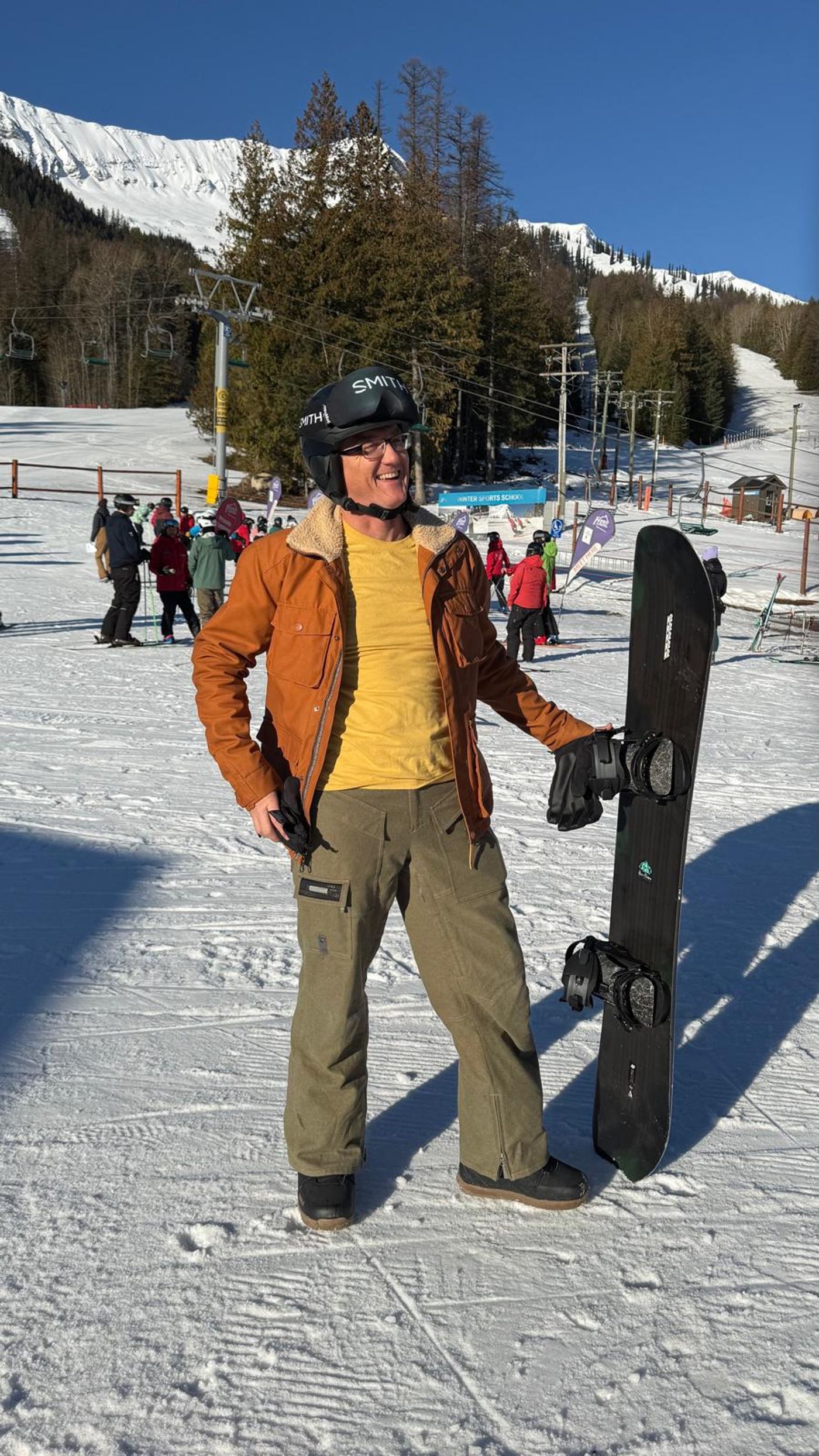
If you’ve spent your life in Australia, you have no real frame of reference for a Canadian winter. Sydney in July is about 12 degrees. Toronto in January averages minus 6, with wind chill pushing it to minus 15 or lower. Calgary regularly hits minus 20. Winnipeg is a different universe entirely.
This guide will help you pack appropriately, tell you what to buy once you arrive, and explain why layering matters more than any single item of clothing.
The golden rule: layering
Winter dressing in Canada is about layers, not just thick clothing. The reason is that you move between extreme cold (outside) and well-heated indoor spaces constantly. A single heavy coat that keeps you warm at minus 15 will have you sweating within two minutes of walking into a heated building, office, or subway.
The standard three-layer system:
- 1
Base layer — moisture-wicking
Sits against your skin. Choose merino wool or synthetic — never cotton, which holds moisture and makes you cold. Its job is to trap body heat and wick sweat away.
- 2
Mid layer — insulating
A fleece, down vest or wool sweater. Its only job is to retain body heat.
- 3
Outer layer — the shell
A waterproof, windproof jacket — ideally a down-filled parka for deep winter. Its job is to block wind, rain and snow.
All three layers together handle minus 20. In milder conditions (-5 to +5) you can drop the mid layer. In genuine spring and autumn, you might just need the shell.
What to pack from Australia
Bring these from home rather than buying in Canada:
Merino wool base layers. Australia produces excellent merino wool and Australian brands (Icebreaker, Macpac, Kathmandu) are cheaper there than in Canada. Bring two or three sets of thermal tops and bottoms.
Quality wool socks. Same logic. Bring six to eight pairs.
Wool or cashmere sweaters. Mid-layer pieces you already own are worth packing. Don’t pack cheap cotton hoodies as your only mid-layer option.
Your favourite lighter jacket. Useful for autumn and spring when a full parka is overkill.
Sunglasses. Snow glare is intense and you’ll wear them more in winter than you might expect.
What to buy in Canada
Some things are genuinely better (and often cheaper) to buy once you arrive:
Winter parka
$200–500
Your most important buy — rated to −20
Insulated boots
$150–300
Waterproof, rated to −30
Hat, mittens & extras
$50–150
Toque, liner mittens, neck gaiter
A proper winter parka. This is your most important purchase. Budget CAD $200-$500 for a good one. Canada Goose, Moose Knuckles, and Arc’teryx are the prestige options. The North Face, Patagonia, Columbia, and Eddie Bauer are solid mid-range choices. Even department store brands like Roots and Joe Fresh offer decent options at lower price points. Look for: rated to at least minus 20, waterproof outer shell, a hood (essential), and a fill of 550+ down or equivalent synthetic.
Winter boots. This is the second most important purchase and Australians almost always underestimate it. You need insulated, waterproof boots rated to at least minus 30. Sorel, Baffin, and Kamik are the classic Canadian choices. Budget CAD $150-$300. Do not try to get through a Canadian winter in Blundstones or sneakers - your feet will be miserable and potentially frostbitten.
A warm hat (toque). This is called a toque (pronounced ‘tuke’) in Canada. It covers your ears and is non-negotiable. CAD $20-$60.
Gloves or mittens. Mittens are warmer than gloves for serious cold. A thin liner glove worn under a mitten gives you dexterity when you need it. Budget CAD $30-$80.
A neck warmer or balaclava. For genuinely cold days (below minus 15), exposed skin on your face matters. A buff or neck gaiter keeps your chin and neck covered.
Ice scraper and snow brush for your car. If you’re driving, you’ll need these from day one of winter. They’re cheap at any Canadian Tire or Walmart.
City-specific considerations
Vancouver. Mild by Canadian standards - rarely below minus 5 in the city. The challenge is persistent wet cold and rain. Prioritise a truly waterproof outer layer. You probably won’t need the full minus 30 setup.
Toronto and Ottawa. Genuine winters with significant snowfall. The full parka and winter boot setup is necessary from December through February.
Calgary. Cold and dry. Wind is the main enemy - a good windproof outer layer matters as much as insulation. Chinooks (warm westerly winds) can bring dramatic temperature swings in winter, sometimes 20 degrees in a day.
Winnipeg and Saskatchewan. The real deal. Minus 30 is normal. Do not underestimate this. Full gear required.
Montreal and Quebec City. Beautiful in winter but brutally cold and very snowy. Full setup plus good snow boots that handle significant snowpack.
Indoor heating
Budget for a higher electricity or gas bill if you’re renting a house. Heating a Canadian home in winter is a real cost - typically CAD $100-$300/month depending on the province, building type, and how cold the winter is.
Getting your Canadian move sorted?
Our free relocation checklist covers what to pack, what to buy on arrival and everything else — so your first winter doesn't catch you out.
The bottom line
Pack your merino base layers and wool socks from Australia. Buy your parka and winter boots in Canada within the first month of arrival - don’t wait until winter hits. Budget around CAD $500-$700 for your core winter kit and you’ll be genuinely comfortable. The Canadians around you will be wearing less than you - that’s normal. You’ll adapt within a season or two.
Move Between helps Australians and Canadians navigate international relocation. Browse our guides, checklists, and visa resources to plan your move with confidence.
Timing is only one part of planning a move like this. The Ultimate Relocation Guide is a paid, step-by-step guide (from AUD $59) covering visas, banking, housing and your first 90 days too.
Related Reading
Moving from Australia to Canada: The Complete 2026 Guide
Grocery Shopping in Canada: An Australian's Guide to Supermarkets, Costs and What's Different
Best Neighbourhoods in Canadian Cities for Australian Newcomers