Schools and Education When Moving Between Australia and Canada with Children
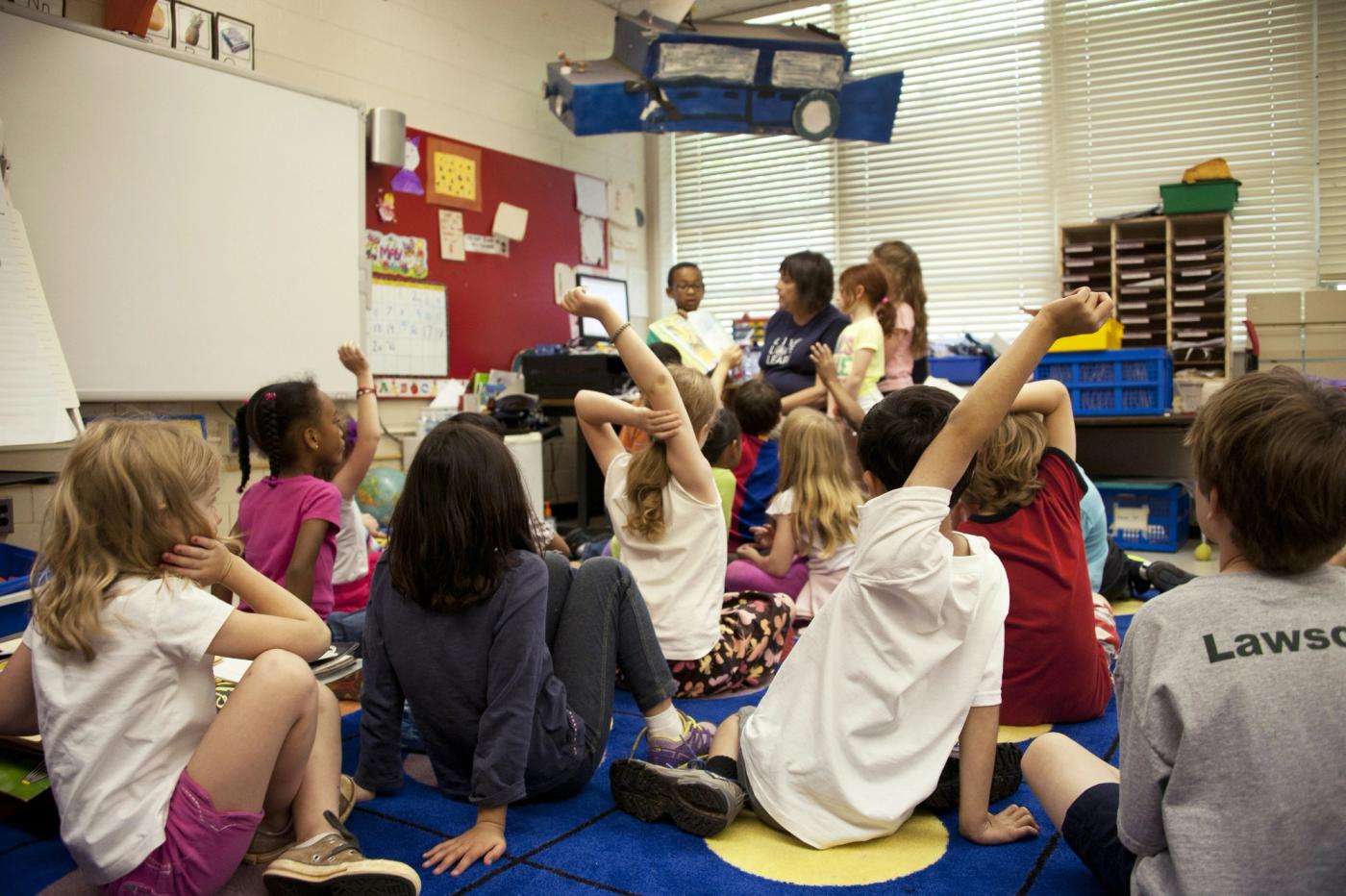
Moving between Australia and Canada with children adds a layer of complexity that adults-only moves do not have. School enrolment timelines, curriculum differences, year level conversions, and how your children settle socially all need planning before you arrive. This guide covers both directions of the move.
How the school systems compare
Both Australia and Canada have publicly funded school systems with strong academic reputations. The two systems are more similar than different, which makes the transition easier than moving to or from a country with a very different educational model. Both countries have compulsory schooling to approximately age 16-17, both emphasise critical thinking over rote learning, and both have public, Catholic, and independent private school sectors.
School year start
Late January
Australia
School year start
Early September
Canada
Summer holidays
December - January
Australia
Summer holidays
July - August
Canada
Public school cost
Free (residents)
Both countries
Year level conversions
Australian and Canadian grade levels do not map directly onto each other. Australian children are generally placed in the Canadian grade equivalent to their age, rather than their Australian year level, because the cut-off dates and starting ages differ slightly between provinces and Australian states.
Prep / Foundation (AU)
Kindergarten (CA)
Equivalent
Year 1-6 (AU)
Grade 1-6 (CA)
Equivalent
Year 7-10 (AU)
Grade 7-10 (CA)
Equivalent
Year 11-12 (AU)
Grade 11-12 (CA)
Equivalent
Enrolling in a Canadian school as an Australian family
Public schooling in Canada is administered by provinces and then by local school boards. You enrol in the school that serves your catchment address - you cannot choose any school in the city. Finding your rental in the right catchment area for a preferred school is therefore something to research before you sign a lease.
Enrolling in an Australian school as a Canadian family
Australia's public school system is also administered by state and territory governments. The process is similar to Canada - you enrol in the school that serves your residential address, provide evidence of your visa and address, and bring your child's school records from Canada.
One key difference: in most Australian states, public school enrolment is open to children on any valid visa with work rights. You do not need to be a permanent resident to enrol your children in public school. Check with your state's education department for the specific rules that apply to your visa type.
Curriculum differences to be aware of
The core curriculum in both countries is broadly similar in primary school - literacy, numeracy, science, and humanities. Differences become more noticeable in secondary school.
- Maths sequencing:
Australian maths typically moves faster in some areas and slower in others compared to Canadian curriculum. Most children adjust within a term. If your child is in a critical year for maths (Year 10-12 equivalents), it is worth getting a sense of where they are relative to the receiving curriculum.
- Senior school credentials:
If your child is in Year 11-12 (Australian) or Grade 11-12 (Canadian), moving countries means they may be entering a final-year credential program at a different stage. The HSC, VCE, or other Australian credentials do not transfer directly to Canadian university applications - they would typically complete the Canadian equivalent (Ontario's OSSD, BC's Dogwood Diploma, etc.) or need to sit additional assessments. Discuss this carefully with the receiving school if your child is in senior years.
- Canadian French:
French is compulsory in Canadian schools from an early age. Australian children moving to Canada will encounter French instruction for the first time. For primary school children this is not usually a significant issue - they pick it up quickly. For secondary school students it can be more of an adjustment. French immersion programs, where core subjects are taught in French, are optional and most schools offer an English-track alternative.
Helping your children settle socially
The academic adjustment is usually easier than the social one. Children moving countries lose their established social networks overnight. The research on international school transitions consistently shows that sport, clubs, and structured activities are the fastest route to new friendships - faster than classroom relationships, which take more time to develop.
Enrol your children in one or two extracurricular activities as soon as possible after arriving - ideally something they already do and enjoy. The shared interest provides an immediate social context that the classroom alone does not. Canadian schools typically have strong after-school sports programs. Australian schools vary but most state schools have sports programs and many have music, drama, and other activities.
The bottom line
Moving between Australia and Canada with children is well-manageable because the two systems are genuinely similar. The key actions are contacting the school before you arrive, timing your move around the school calendar where possible, gathering your child's Australian records, and getting them into an activity as quickly as possible after arrival. For children in senior secondary years, talk to the school early about credential implications - that is the one area that needs the most careful planning.
Settling in takes time, and the practical side of the move is a separate job entirely. The Ultimate Relocation Guide is a paid, step-by-step guide (from AUD $59) covering visas, banking, housing and your first 90 days.
Related Reading
Moving from Australia to Canada: The Complete 2026 Guide
Moving from Canada to Australia: The Complete Guide for Canadians
Australia vs Canada Cost of Living: City by City Comparison
Healthcare in Canada: What Australians Need to Know Before They Arrive