Getting Your Social Insurance Number in Canada: What New Zealanders Need to Know
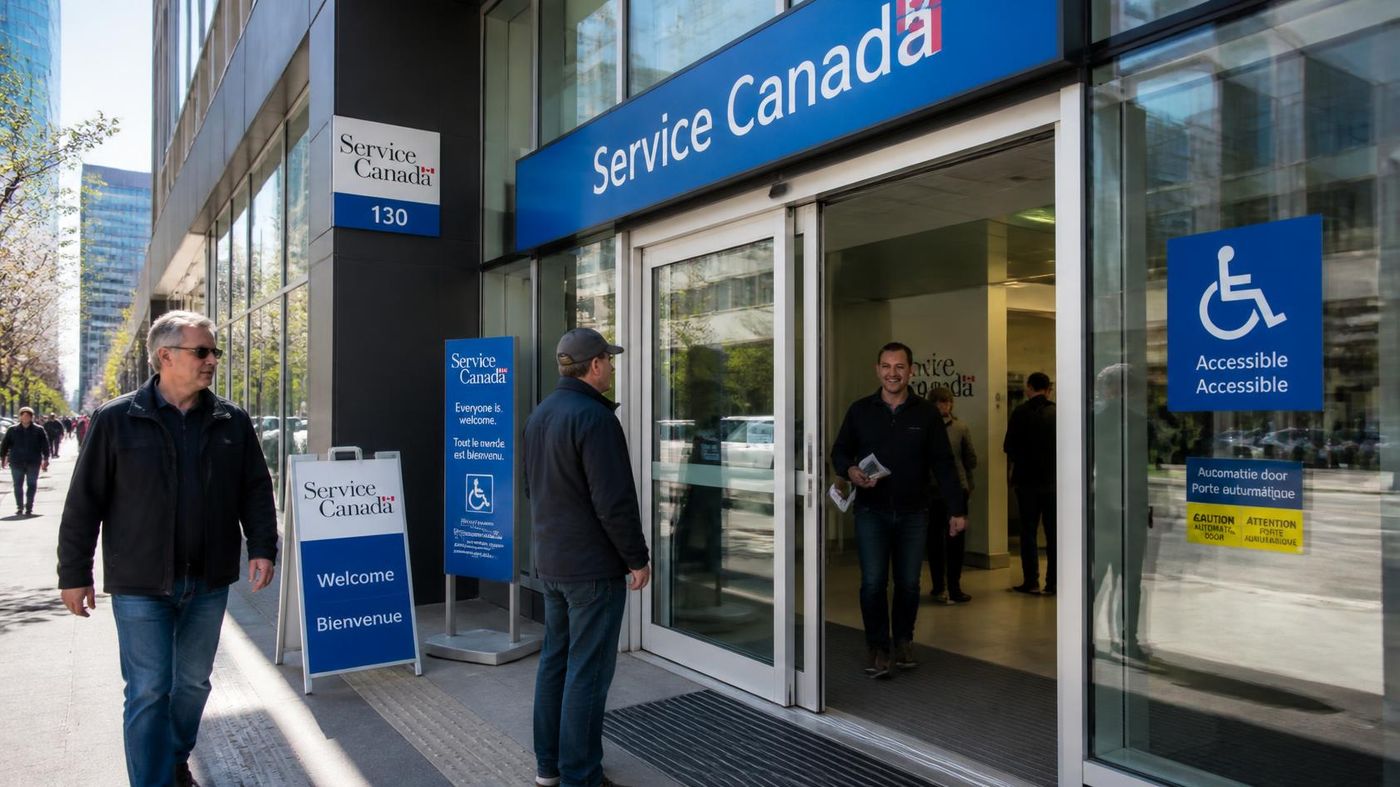
The Social Insurance Number, or SIN, is one of the first things you need to sort after arriving in Canada. It's a nine-digit number issued by Service Canada that identifies you for employment, tax and government benefits purposes. Think of it as the Canadian equivalent of your IRD number.
Who can get a SIN?
You can apply for a SIN if you have a valid work permit, a study permit with authorisation to work, permanent resident status, or Canadian citizenship. Visitor visas do not grant eligibility.
New Zealand is one of the partner countries in International Experience Canada (IEC), so if you're arriving on an IEC Working Holiday visa, you're eligible and should apply as soon as you land.
How to apply
In person
Same day
At a Service Canada centre, most cases
Online
~5 business days
Delivered by mail
What it costs
Free
There's no fee to apply for a SIN
In person at a Service Canada centre
The fastest option. You attend a Service Canada location, present your documents, and receive your SIN the same day in most cases.
What to bring:
- Your passport
- Your work permit or other authorisation document (your IEC letter of introduction or work permit)
- Proof of your Canadian address, such as a lease, utility bill or bank statement, though this isn't always required
Service Canada also offers in-person SIN service at select airports during peak arrival season, including Vancouver, Calgary, Edmonton and Halifax, which is worth knowing if you land at one of those and want to sort your SIN before you've even found accommodation.
Online application
Service Canada also runs an online SIN application for eligible newcomers. You upload your documents digitally and your SIN is delivered by mail within about five business days, as at 26 Aug 2026.
The online process is convenient but slower. If you need your SIN urgently, for example to start a job within days of arrival, go in person.
Temporary vs permanent SINs
If you're in Canada on a temporary visa, including a working holiday, your SIN will begin with the number 9. This is a temporary SIN with an expiry date tied to your visa.
When your visa expires or is renewed, you need to update your SIN record with the new expiry date at a Service Canada centre. Failing to update it can cause issues with employment and tax filing.
If you later become a permanent resident or citizen, you can apply for a permanent SIN at that point.
Protecting your SIN
Your SIN is sensitive information. Treat it the way you'd treat your passport number or bank account details. Only provide it to:
- Your employer, who is legally required to request it for payroll and tax purposes
- Your bank, for registered accounts like a TFSA or RRSP
- The CRA, Canada's tax authority, for tax filing
- 1
Give it to your employer
They need it before your first payslip to set up payroll correctly, and they're legally required to request it.
- 2
Open a TFSA once you can
You'll need your SIN to open a Tax-Free Savings Account. Your bank will ask for it at account opening.
- 3
Keep it off unnecessary paperwork
You're only legally required to give your SIN to employers and the CRA. If a landlord, retailer or non-government service asks, you can decline.
- 4
Register with the CRA
Once you have a SIN and have filed your first tax return, create a My Account with the Canada Revenue Agency for access to your tax history, benefit payments and RRSP room.
Open a TFSA early
Once you have your SIN and a bank account, open a Tax-Free Savings Account (TFSA) as soon as you can. It's one of the most useful financial tools available in Canada: growth, interest and withdrawals are all tax-free.
For 2026, the CRA's annual TFSA contribution limit is $7,000 CAD, as at 26 Aug 2026. Your room begins accumulating from the calendar year you become a Canadian tax resident aged 18 or over. Years spent overseas don't generate room retroactively, so a newcomer's clock starts on arrival, not in 2009 when the scheme began.
Just landed in Canada?
Our free arrival checklist covers your SIN, banking, tax setup and more, in the order you'll actually need them.
The bottom line
Go to a Service Canada centre within your first week in Canada and get your SIN. Bring your passport and work permit. It takes less than thirty minutes. Everything else, employment, banking, tax, government benefits, depends on having it.
Move Between helps New Zealanders and Canadians navigate international relocation. Browse our guides, checklists, and visa resources to plan your move with confidence.
Sorting out the money side of the move is just one piece of it. If you'd like the whole thing planned out, visas, housing, healthcare and your first 90 days, Ultimate Relocation Guide is a paid, step-by-step guide (from AUD $59) that covers it end to end.
Related Reading
Moving from New Zealand to Canada: The Complete 2026 Guide
Tax in Canada: What New Zealanders Need to Know in Their First Year
Banking in Canada for New Zealanders: Accounts, Transfers, and Getting Set Up
Working in Canada as a Kiwi: Jobs, Salaries, and What to Expect