Tax in the UK: What Australians Need to Know in Their First Year
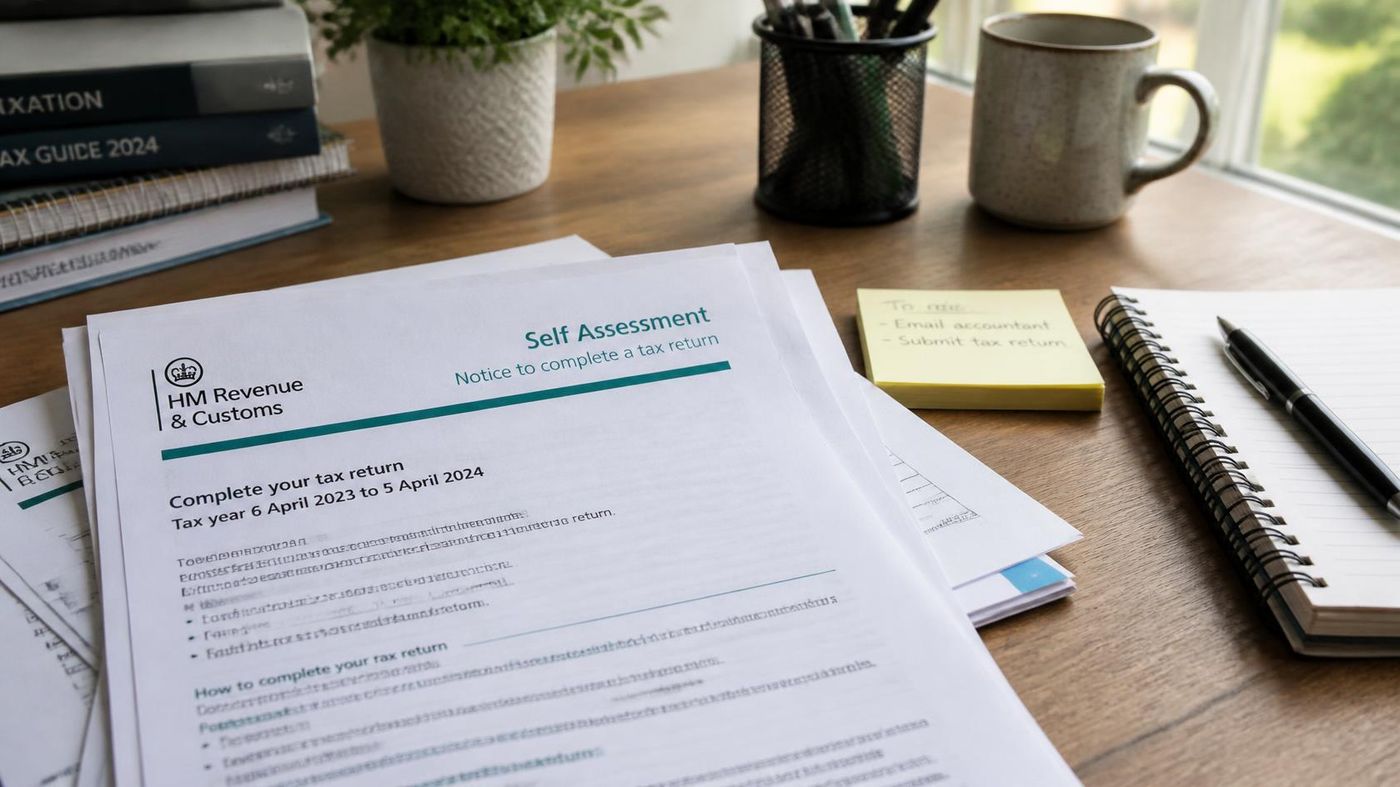
UK tax runs on a different calendar and a different bracket structure to Australia's, and if you've got a HECS-HELP debt, it follows you overseas too. Here's the practical version of what changes in your first year, not the full technical detail, that's what an accountant is for.
The tax year runs April to April
The UK tax year runs 6 April to 5 April, not the 1 July to 30 June financial year Australia uses. If you move partway through the UK tax year, the year is usually split into a non-resident part and a resident part, so foreign income before your move typically isn't taxed as UK income, subject to specific conditions.
Income tax bands for 2026/27
How UK tax residency gets decided
The UK uses the Statutory Residence Test rather than a simple day-count rule. Broadly, you're automatically UK tax resident if you spend 183 or more days in the UK in the tax year, if the UK is your only home for 91 or more consecutive days with at least 30 of those spent there, or if you work full-time in the UK. Most people arriving on a work visa and settling in will meet this well within their first year.
Do you need to file a Self Assessment return?
If you're a standard employee paid through PAYE (Pay As You Earn), HMRC collects your tax automatically through your payslip and you generally don't need to file anything separately. Self Assessment becomes relevant if you have foreign income, are self-employed, are claiming split-year treatment for the year you arrived, or meet a few other specific triggers. If it applies to you, register with HMRC by 5 October following the end of the relevant tax year, then file online and pay by 31 January.
Your HECS-HELP debt doesn't disappear
Moving overseas doesn't erase a HECS-HELP debt, and it doesn't pause your repayment obligations either. If you have an outstanding debt, you need to report your worldwide income to the ATO by 31 October each year via myGov, converted to AUD, and make a compulsory repayment if it's above the minimum threshold ($69,528 for the 2026/27 year, up from $67,000 the year before, indexed annually). You're also required to notify the ATO if you're leaving Australia for more than 6 months. Source: ato.gov.au, 'Overseas obligations when repaying loans', as at 26 Aug 2026.
Key Takeaways
- The UK tax year runs 6 April to 5 April, a different calendar to Australia's 1 July to 30 June financial year.
- The first £12,570 you earn is tax-free (the Personal Allowance), then 20%, 40% and 45% bands apply above that.
- Residency is decided by the Statutory Residence Test, not a simple day count.
- Most PAYE employees don't need to file a Self Assessment return, HMRC handles it automatically.
- A HECS-HELP debt still requires annual worldwide-income reporting to the ATO, even while you're living in the UK.
Frequently Asked Questions
Will I be taxed on income I earned in Australia before I moved?
Usually not, thanks to split-year treatment, which taxes you as UK-resident only from the point you actually arrive and settle, not for the whole tax year. Specific conditions apply, so check your situation with an accountant if it's not straightforward.
Do I still have to pay my HECS-HELP debt while I'm in the UK?
Yes. Your HELP obligations follow you regardless of residency or citizenship. You need to self-report worldwide income to the ATO annually and make compulsory repayments once your income is above the threshold, even if you're paying UK tax on the same income.
Planning your move from Australia to the UK?
Our free relocation toolkit covers your visa, banking, tax and moving checklist in the order you'll actually need them.
Sorting out the money side of the move is just one piece of it. If you'd like the whole thing planned out, visas, housing, healthcare and your first 90 days, Ultimate Relocation Guide is a paid, step-by-step guide (from AUD $59) that covers it end to end.
Related Reading
Moving from Australia to the UK: The Complete Guide
Getting Your UK National Insurance Number
Banking in the UK for Australians
Before tax residency becomes relevant, most people need to sort their visa first; our Moving to the UK from Australia guide covers the main routes and their costs.