Moving to Australia from Canada
Working holiday to 35, skilled pathways to permanent residency, and a healthcare system that treats Canadians better than most. The complete corridor guide.
Canadians get a generous run at Australia: the Working Holiday visa (subclass 417) to age 35, skilled visa pathways to permanent residency, and reciprocal healthcare that gives you Medicare access most nationalities wait years for. The mechanics of the move still take planning.
This is general information, not migration advice. Visa requirements and eligibility depend on your individual circumstances, and rules change. For advice specific to your situation, speak with a MARA-registered migration agent.
These guides cover the corridor end to end: opening an Australian bank account before you leave Canada, your Tax File Number and first tax year, renting without local history, licence conversion, trade recognition for Red Seal holders, and the PR pathways after your working holiday ends. For skilled or parent visa questions specific to your situation, MigrationBuro is a MARA-registered migration agency we work with.
Want the whole move mapped out for you, not just this piece of it? The Ultimate Relocation Guide is a paid, step-by-step guide (from AUD $59) covering visas, money, housing and your first 90 days for your exact move.
Wondering what it actually costs moving from Canada? Compare rent, groceries and transport with our free cost of living calculator.
Try the calculatorGuides for this move
7 September 2026
Partner Visa to Australia: What Canadians Need to Know
A practical guide to bringing a partner to Australia from Canada: eligibility, real costs, processing time and what to plan for.

26 August 2026
Culture Shock: What Canadians Don't Expect About Life in Australia
Similar accents, similar politeness, similar love of the outdoors - Australia looks like an easy landing from Canada. Here's what actually catches Canadians off guard once they've settled in.

26 August 2026
RRSP, TFSA and Super: What Happens to Your Money When You Move from Canada to Australia
Your RRSP and TFSA don't stop existing when you leave Canada, but the rules around contributing to them change. And on the Australian side, superannuation starts building from your very first payslip. Here's how both sides work.
26 August 2026
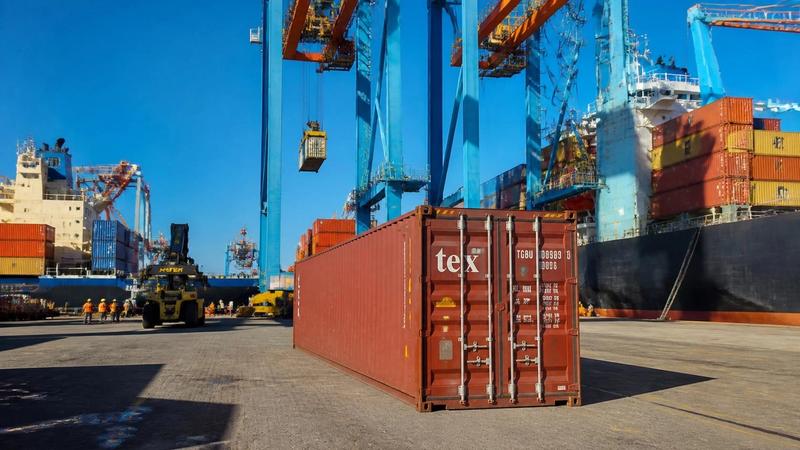
Shipping Your Belongings from Canada to Australia: Full Cost Breakdown
Australia has some of the strictest biosecurity import rules in the world. Here's what shipping a household from Canada actually costs, what gets inspected, and how to avoid a costly hold-up at the border.

26 August 2026
Moving Money from Canada to Australia: The Cheapest and Fastest Ways
Moving savings from Canada to Australia through your bank costs more than most people realise. Here's how to compare specialist transfer services, avoid the biggest fees, and time a large transfer properly.

26 August 2026
Sydney, Melbourne or Brisbane: Best Cities for Canadian Expats
With Express Entry-style points systems behind you and no automatic city assignment, the choice of where to land in Australia is entirely yours. Here's how Sydney, Melbourne and Brisbane compare for Canadians.
13 August 2026
How to Open an Australian Bank Account Before You Leave Canada
A practical guide for Canadians moving to Australia on how to open a bank account before you land, which banks accept pre-arrival applications, what documents you need, and how to get your TFN sorted from day one.

12 August 2026
Cost of Living in Australia vs Canada: What Canadians Actually Pay After Moving
A real-dollar breakdown of what life costs in Australia compared to Canada. Rent, groceries, fuel, mobile plans, healthcare, salaries, and the stuff nobody warns you about.

5 August 2026
Medicare in Australia for Canadians: Why There's No Reciprocal Agreement
Canada and Australia do not have a reciprocal healthcare agreement. Here's what insurance each visa type actually requires, and when Medicare finally becomes available.

5 August 2026
Getting a SIM Card and Mobile Plan in Australia: A Guide for Canadians
Australian mobile plans are dramatically cheaper than Canada's. Here's how to get connected on arrival, which networks to consider, and what to look for in a plan.

5 August 2026
Tax File Number and Tax in Australia: A Canadian's Guide
Australia's tax system works differently from Canada's - from how you get a Tax File Number to how income tax is calculated, what Medicare Levy means, and how to handle your first tax return.

5 August 2026
Moving Your Pet Between Canada and Australia: What You Actually Need to Know
Going to Canada is a few weeks of prep. Going to Australia is six to twelve months. Here's exactly what each direction looks like, what it costs, and where people get tripped up.
5 August 2026
Australian Permanent Residency for Canadians: Your Options After the Working Holiday Visa
The Working Holiday Visa has no built-in pathway to permanent residency. Here are the real options for Canadians who want to stay in Australia permanently after their WHV.

5 August 2026
Moving from Canada to Australia: The Complete Guide for Canadians
Thinking about making the move from Canada to Australia? Here's everything you need to know about visas, the cost of living comparison, healthcare, housing, and what life in Australia is actually like.

27 June 2026
Renting in Australia as a Canadian: What to Expect and How to Get Approved
Australia's rental market is tight and it works differently from Canada. Here's what you need to know about searching, applying, and actually getting approved without local rental history.

27 June 2026
Job Hunting in Australia as a Canadian: How the Market Works
The Australian job market has its own rhythms, platforms, and expectations. Here's what Canadians need to know about finding work, getting your resume right, and understanding employment conditions.

22 June 2026
Driving in Australia as a Canadian: Licence Exchange, Road Rules, and Buying a Car
Australia drives on the left. Your Canadian licence can be exchanged without a test in most states. Here's what you need to know about getting on Australian roads, the rules that differ, and how to buy a car as a newcomer.

11 June 2026
Bringing Mum and Dad Down Under: How to Move Your Ageing Parents from Canada to Australia
You've made the leap from Canada to Australia — but leaving your ageing parents behind is one of the hardest parts. Here's a practical guide to the visa pathways that could reunite your family on Australian soil.

3 June 2026
Red Seal in Australia: How Canadian Tradespeople Get Recognised Down Under
Your Canadian Red Seal is a strong credential, but it doesn't automatically transfer to Australia. Here's how to navigate the TRA skills assessment, state licensing, and get on the tools as fast as possible.